- Political memes reuse visual structures that make criticism and comparison quick to understand.
- Real debate phrases, cutout photos and reaction templates acquire meanings beyond their original event.
- The strongest historical examples identify the source event and distinguish fictional edits from factual claims.
The debate quote everyone starts repeating
Live debates can create a meme from a short, unusual phrase. The expression becomes a caption, a drawing prompt or the label on hundreds of unrelated images. This happens when the wording is easy to remember and suggests a striking mental picture. The resulting jokes may criticize the speaker's answer or simply enjoy how odd the phrase sounds outside the debate.
The October 2012 'binders full of women' remark by Mitt Romney is a documented example. Know Your Meme records the phrase's spread through image edits and parody accounts after the debate. The audience didn't need a complicated design toolkit to participate. A photograph of an ordinary binder could suddenly become political commentary.
These formats lose clarity as the original event recedes. Someone encountering the binder joke years later might understand that it refers to a political gaffe without knowing the actual question or response. A responsible explanation identifies the debate and source material. The best version of the joke improves when you know what was said, rather than requiring readers to accept a meme as the complete transcript.
Two-panel comparisons compress complicated disagreements
A pair of images can reject one option and approve another. People adapt these structures to compare policies, candidates, media narratives and campaigning tactics. The format works because the relationship is visually obvious. The top panel says 'no,' and the bottom says 'yes,' leaving the caption to supply the details.
Drakeposting is a familiar nonpolitical source for this structure. The two reaction images from the 'Hotline Bling' video became a widely reused choice format, documented in Know Your Meme's Drakeposting history. Political users can borrow the same format for sincere opinions, ironic comparisons or jokes about inconsistent standards.
That convenience creates an analytical weakness. A complicated proposal may be reduced to a slogan, while an alternative is represented by its most flattering description. Readers should recognize that the labels reflect the creator's framing. A two-panel picture can summarize a position, but it won't explain implementation details or settle an argument about evidence. The template is wonderfully efficient and completely uninterested in footnotes.
Cutout politicians appear in unlikely places
Remove the background from a recognizable photograph and a public figure can appear almost anywhere. Editors place them on album covers, in film scenes or in ordinary domestic situations. The humor comes from a mismatch between the person's familiar public identity and an unexpected setting. The figure doesn't need to speak. Their pose provides the character.
Bernie Sanders sitting in mittens during the January 2021 inauguration became a widely remixed example. The documented meme history shows how people placed the seated figure into numerous unrelated scenes. The image remained recognizable because the pose, coat and expression were distinctive enough to survive different backgrounds.
Clear labeling matters when such edits refer to real events. An image of a politician supposedly attending a gathering may be an obvious joke to its creator but confusing to someone who sees it without the original caption. A cutout can entertain without claiming the person was actually present. The phrase 'edited image' is not an enemy of comedy.
Reaction faces survive every administration
A surprised, exhausted or skeptical expression can work as a reply to many different situations. Political figures provide plenty of candid photographs and television footage, so people collect faces that seem to communicate a familiar feeling. A reaction may begin during a specific campaign and continue being used years later in contexts unrelated to politics.
The visual emotion carries the format, while new captions supply the subject. An image from one debate can comment on a budget discussion, a sports result or somebody's questionable dinner plan. Our guide to reaction images losing context explains why clear expressions travel so easily.
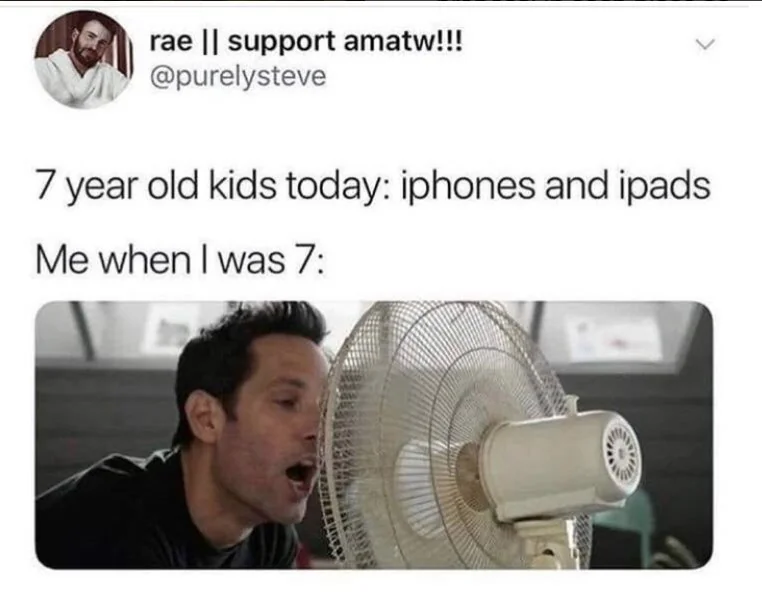
One limitation is that the apparent reaction may not match the original event. A politician looking amused during a speech cannot automatically be described as laughing at a later policy announcement. Captioning a frame as 'me when...' communicates analogy. Presenting it as genuine footage of a response makes a factual claim. Those are different kinds of posts, despite their visual resemblance.
The headline parody looks suspiciously official
Fake news banners and fictional newspaper front pages are recurring satirical forms. They imitate familiar journalistic layouts while presenting absurd announcements. An intentionally ridiculous headline can criticize bureaucracy or the way political institutions communicate. Readers who recognize the parody enjoy the contrast between serious design and foolish content.
The same format can mislead when a screenshot is cropped or the fictional headline is plausible enough to be mistaken for reporting. A fabricated quote from an actual public figure may travel beyond the original satirical account without its disclaimer. AFP's fact-checking framework distinguishes satire from altered and misleading material, emphasizing whether content is presented to deceive.
When sharing a parody, preserve the source and its satirical framing. When encountering an apparently official headline, search the named publisher for a real article. A good fake headline is a comic device. An unchecked screenshot treated as a news source is a very different proposition, and the typography is unlikely to volunteer a correction.
The 'how it started, how it's going' comparison
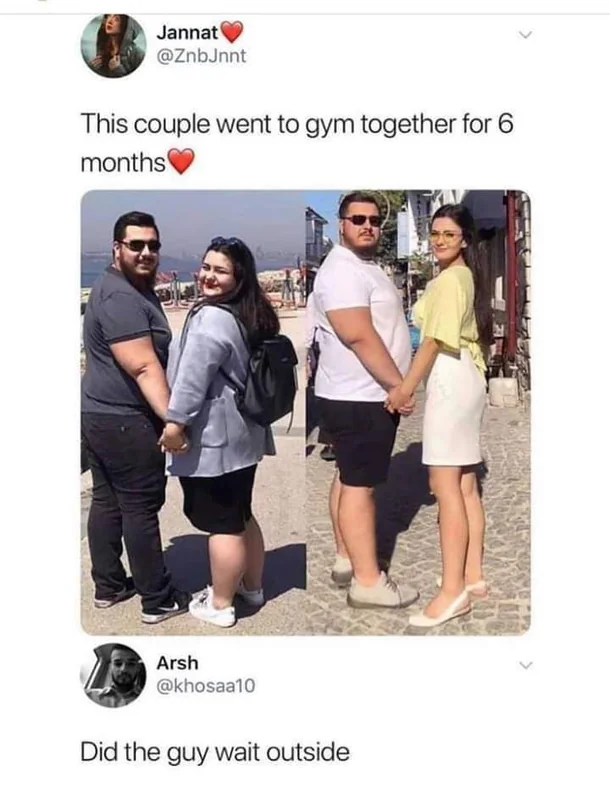
This format places two images side by side to suggest a change over time. In political contexts, people may compare campaign statements with later events, an ambitious promise with its outcome or a leader's earlier position with a more recent one. The structure is simple enough to understand without detailed instructions: two moments, one implied story.
It can support sharp satire when both images are authentic and the relationship is accurately described. It can also create a false impression through selective dates, unrelated events or cropped context. Readers should check what each image actually shows and whether the implied connection is justified. A comparison is an argument built from the chosen examples, even when it appears on an entertaining graphic.
The format's flexibility explains its longevity. It works for fitness progress, home repairs and disastrous attempts at cooking just as easily as political commentary. The political version inherits all those everyday associations, then adds the burden of checking its facts. A before-and-after joke is funniest when the 'before' and 'after' genuinely belong to the same story.
The 'distracted' format turns politics into a triangle
Some templates visualize priorities and competing interests by assigning labels to people in a photograph. The widely reused Distracted Boyfriend image is one example, with figures assigned to an abandoned responsibility, a tempting alternative and an unhappy observer. A political edit might use the format to criticize a government that appears focused on one issue while neglecting another.
The framing can be rhetorically effective because it makes a relationship visible. It can also oversimplify. Real institutions manage multiple responsibilities, and labeling one priority as an abandoned obligation does not prove it was neglected. The meme presents the creator's interpretation, not a measured audit of public spending or policy effectiveness.
That distinction doesn't spoil the humor. It helps readers understand what they're being invited to accept. A clever set of labels makes an opinion memorable. A factual argument still needs information about what actually happened. Memes are welcome to make a case, but their characters should not be appointed the entire evidence committee.
Why some political formats outlive the event
Reusable formats express situations that recur: overconfidence, surprise, contradictory priorities and responses that appear disproportionate to the occasion. The political details change, but the emotional pattern remains. A familiar picture gives new creators a ready-made structure for commenting on another event. Our article on election humor's short shelf life explains why the most time-sensitive references fade more quickly.
The strongest formats are adaptable without relying entirely on one candidate or news story. A cutout image can become a generic symbol for feeling out of place. A two-panel comparison can express any preference. A famous debate quote may survive as a historical reference, even when its original campaign is long over.
Political meme formats keep returning because they make communication fast and recognizable. The same convenience can blur dates, sources and factual distinctions, so context is part of the craft. Credit the source, identify historical examples accurately and enjoy the invention. A reusable template can do many jobs, but proving a claim still isn't one of its official qualifications.
Sources and further reading
Background references for the history and examples discussed in this article.
- Know Your Meme, Binders Full of Women History of the October 2012 debate phrase.
- Know Your Meme, Drakeposting Background on the two-panel choice format.
- Know Your Meme, Bernie Sanders Wearing Mittens 2021 inauguration source and subsequent edits.
- AFP Fact-Checking Stylebook Terminology for satire and misleading repurposed material.