- Clear facial expressions and gestures allow images to communicate without their original story.
- Captions and surrounding messages give the same reaction new meanings.
- Source attribution and context matter when edits turn fiction into apparent evidence.
The face is a shortcut to a feeling
Human expressions communicate emotions quickly, even when viewers don't know the person displaying them. Animation exaggerates that advantage with dramatic eyes, poses and pauses. Live-action screenshots can capture similarly readable reactions, such as an incredulous stare or a smile that looks as though it has arrived at the wrong time.
A reaction image works when the recipient can recognize the broad feeling before learning the character's name. A blank stare can mean confusion, exhaustion or a refusal to participate in somebody else's bad idea. The current conversation determines the precise reading. People don't need a scene-by-scene recap if the image makes sense as a reply.
That's why the most reusable reactions tend to be visually simple. A face with several competing emotions may be wonderfully acted but harder to repurpose. A clear expression survives shrinking, cropping and years of image compression. The character's personal journey is still important to their original story, but the group chat is mostly interested in whether their eyebrows look adequately disappointed.
Cropping creates a new piece of storytelling
An original scene contains dialogue, soundtrack, camera movement and surrounding action. A screenshot removes most of that information. The editor selects one instant and asks viewers to interpret it on its own. A character's reaction to a tragic revelation can become an exaggerated response to discovering that the office printer has run out of paper.
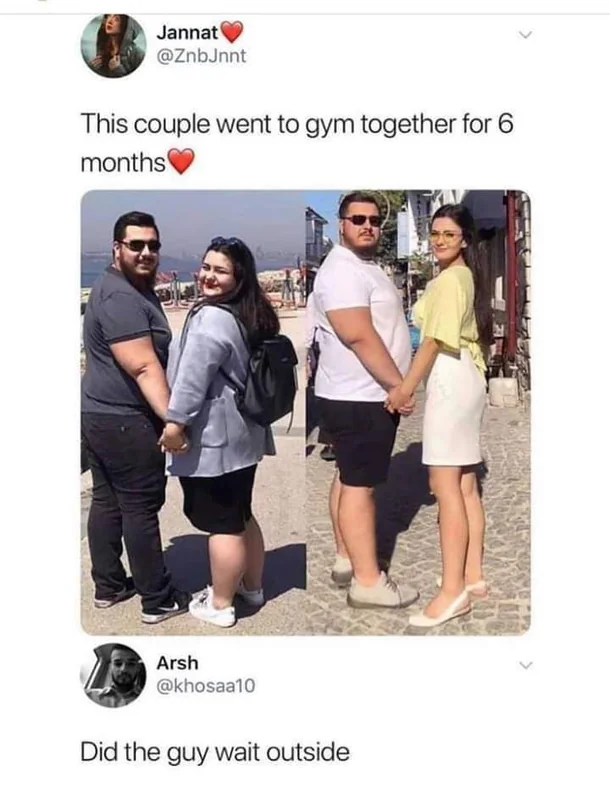
The crop can change emphasis dramatically. Remove the person being addressed and a shared conversation becomes a solitary expression. Remove an important prop and a specific action looks generic. Add text above the image and the viewer receives a new explanation of what the face supposedly means. The edit may be harmless comedy, but it changes the source's narrative.
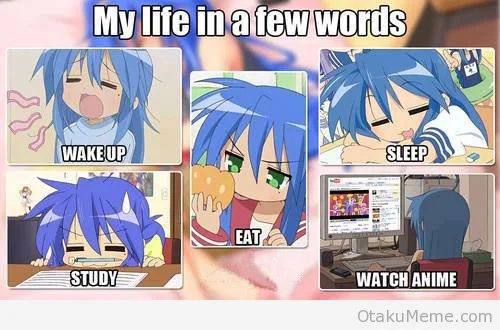
Our guide to anime reaction images explains how a clean crop and readable emotion help a reaction work. Those same qualities help images travel across fandom boundaries. A source scene may require expertise, while its most expressive frame is usable by somebody who has never encountered the original series.
Captions recruit the picture into new conversations
A reaction needs something to react to. In a social feed, that may be a caption above the picture. In a group chat, it may be the message sent immediately beforehand. The same shocked character can signal genuine surprise, theatrical disbelief or sarcastic recognition of an outcome everybody predicted.
Text supplies the missing situation. Imagine an image of a character looking exhausted. Pair it with a caption about finishing a long journey, and it conveys relief. Pair it with someone proposing another complicated project, and the expression communicates dread. The face remains unchanged, but the joke has been reassigned.
The format works because people recognize the relationship between a situation and an emotional response. Our article on captioned photographs explores the same mechanism in more detail. A few words can transform a picture into a different story. The trick is knowing whether you're making a playful new interpretation or asserting something inaccurate about the original image.
Group chats turn public reactions into private vocabulary
A widely shared image can acquire an entirely local meaning inside one community. A startled face might become associated with a friend's spectacular mistake during a game. Members reuse it whenever that person expresses confidence, even though the character in the image has no connection to the original incident.
That repeated use makes the reaction more efficient. No caption is necessary because the group remembers the story. A newcomer may see an ordinary funny face, while existing members recall a five-minute chain of events involving a failed jump and a microphone that was not muted. The picture now carries two histories: the fictional source and the chat's shared memory.
Platforms can make this easy through custom emoji and stickers. One image can become a tiny recurring response rather than a full-size post. Our guide to Discord's meme culture describes how those habits develop. The original actor probably didn't expect their character's expression to become the official symbol for somebody forgetting to bring snacks.
The source can become completely unrecognizable
Images are often reposted without credits or links. Cropping removes watermarks, and repeated editing can obscure a character's original appearance. Eventually the reaction may circulate among people who know it only as 'that confused guy' or 'the crying cat,' regardless of who first created or photographed it.
Some viewers discover the source years later and are surprised by the original tone. A frame used for a silly joke might come from a serious scene. A happy-looking character may have been expressing nervousness rather than confidence. Learning the original circumstances doesn't invalidate every later use, but it explains why the same picture can feel different to fans.
Tracing those origins requires care. The most popular repost isn't necessarily the first appearance. A caption may have been attached after the fact, and an edited version may be mistaken for an original still. When explaining meme history, distinguish what the scene actually shows from the internet's interpretation of it. The source deserves more than a guess delivered with spectacular confidence.
Why some images cross cultures more easily
Expressions such as surprise, frustration and delight often communicate something even when the viewer doesn't understand the source language. That makes a readable image useful in conversations across countries and communities. The exact emotional interpretation can still vary with cultural context, so it's best to avoid assuming that every audience reads a particular gesture identically.
Animated characters can make this transition easier when their features are deliberately exaggerated. A familiar visual pose may be readable at small sizes and across different caption styles. Pokémon's internet reactions show how characters with distinctive expressions became useful far beyond the games and shows that introduced them.
Context also supplies meaning. A friend using an exaggerated face after a known joke is giving an emotional cue. The identical picture in a formal discussion may look sarcastic or dismissive. The image's ability to cross communities doesn't remove the need to understand the people receiving it. The most universal reaction remains the one sent at the right moment.
When losing context becomes a problem
Most reaction-image reuse is harmless, but some edits can mislead. A genuine photograph of a public figure looking surprised may be presented as their response to an event they never witnessed. A fictional dialogue caption may be reposted as an authentic quotation. The image's familiarity can make people less likely to question the new story attached to it.
Before treating a reaction as evidence, ask whether the caption describes the original occasion or merely uses the image for commentary. The House of Commons Library's verification guidance recommends tracing the source and comparing it with the claimed event. These checks are especially important when a post resembles news reporting rather than an obvious joke.
The enduring appeal of reaction images comes from flexibility. One expressive moment can represent hundreds of situations, which is why the same face keeps appearing long after its original scene has faded from memory. Enjoy the creative reuse. When a caption makes a factual claim, take the extra step of checking whether the picture actually belongs to that story.
Sources and further reading
Background references for the history and examples discussed in this article.
- House of Commons Library, How to Verify Images and Videos Guidance on checking whether an image fits its stated context.
- Know Your Meme, Reaction Images Background on reaction formats and their historical circulation.