- Anime expressions communicate tone quickly, which helps when short text replies could be misunderstood.
- Group-specific references make an ordinary reaction image feel surprisingly personal.
- Timing and the relationship between participants determine whether the reaction is affectionate or irritating.
Text messages leave facial expressions behind
A sentence in a group chat can be interpreted several ways. 'Great idea' might mean sincere enthusiasm, gentle sarcasm or the sort of defeated acceptance that follows an obviously dangerous suggestion. In person, a raised eyebrow or a slow stare helps distinguish them. Online, an image can provide that missing performance without making the sender explain their tone in a separate message.
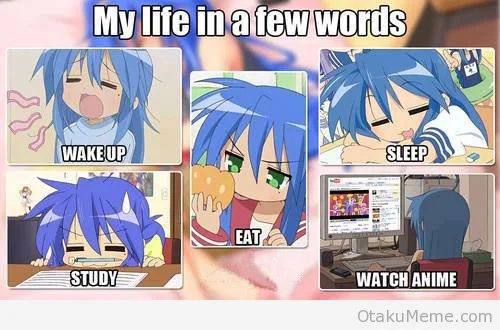
Anime characters offer particularly clear signals. Wide eyes, extreme blushing, exaggerated frustration and dramatically blank expressions make emotions recognizable even at phone-screen size. A reaction image gives the recipient an immediate suggestion about how to read the words around it. If the face looks deeply offended, the preceding 'sure' probably deserves reconsideration.
The image is still context-dependent. A dramatic glare from a close friend may feel funny after a minor prank. The same glare sent to a stranger in a tense discussion could sound hostile. Knowing your audience is more important than owning an exceptionally large collection of screenshots, though group-chat veterans tend to pursue both goals with equal determination.
One frame can replace an entire reply
Group chats move quickly, especially when several people are arguing about plans, gaming sessions or who forgot to book the table. A long response can arrive after the conversation has already changed direction. One expressive image can register surprise or amusement instantly. It takes less time to understand than a detailed explanation and leaves room for the conversation to continue.
Anime reactions often work like shorthand. A stunned face means the message was unexpected. A character sinking into despair can indicate mild embarrassment. A triumphant pose says the sender has achieved something, regardless of whether that achievement was earning a promotion or finding their phone beneath a sofa cushion. The expression supplies the emotional grammar.
That efficiency creates comic opportunities. A friend posts an unnecessarily elaborate plan. Somebody replies with a character looking exhausted before a single task has begun. The reply isn't making a detailed objection. It captures the exact feeling that everyone else was about to type. Suddenly, seven people react to one image rather than writing seven slightly different versions of 'please reconsider.'
Inside jokes turn ordinary pictures into local celebrities
Once an image becomes associated with a particular person or incident, a group can reuse it for months. A character looking panicked might refer to the friend who once missed an obvious objective in a game. The next time that friend announces a confident plan, the image reappears without a caption. Everyone recognizes the connection, especially the person who would prefer to forget the original event.
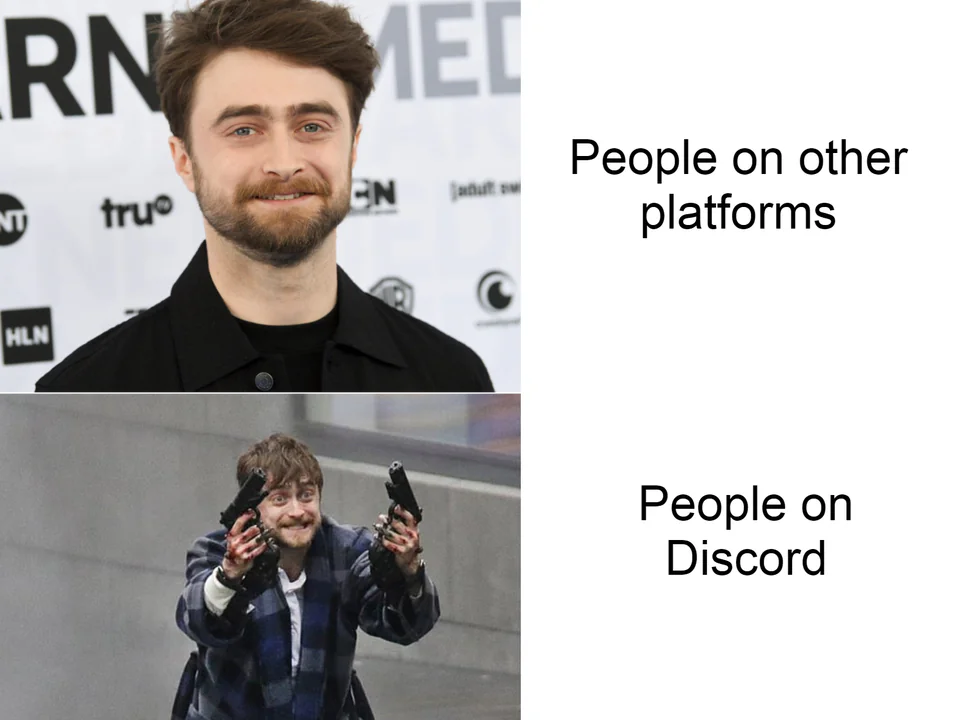
These private meanings can be strange to outsiders. A screenshot that communicates 'disbelief' to the wider internet might mean 'remember the disastrous pizza order' in one server. The image has effectively become a word in a language used by eight people. Explaining it to a new member can feel like recounting the history of a tiny, deeply embarrassing civilization.
Custom emoji make that habit easier. Discord's official custom emoji guide describes how servers can upload their own expressions. An anime face becomes a one-tap response that people can use again and again. The original image may have come from a serious story. Its new employment is reacting to somebody forgetting to unmute.
The right reaction has a sense of timing
A reaction posted immediately after a setup can feel surgically precise. The same picture delivered fifteen messages later may seem completely baffled. Group conversations supply their own rhythm, and a well-chosen image arrives when the reader is already anticipating that emotion. The sender gets the pleasure of being understood without writing a paragraph.
Timing can also turn an ordinary face into a joke. Imagine a chat falling silent after an outrageous claim. One person responds with an anime character slowly blinking. The pause is part of the humor. The image acts as a collective acknowledgement that everyone has heard the claim and is trying to recover enough composure to continue.
Repetition changes timing. A reaction used after every message becomes background noise, while one reserved for particular situations retains its impact. Some groups intentionally overuse a face until its predictability becomes the punchline. That can be funny among friends, though newcomers may wonder whether they've joined a chat room or a highly specialized facial-expression subscription service.
The original scene adds a secret second joke
Fans may recognize an expression from an episode with very specific stakes. The character could be reacting to betrayal, relief or a bizarre revelation. When the image appears under a message about someone taking the last biscuit, fans experience an extra comic contrast: the same solemn performance has been recruited to handle a much smaller tragedy.
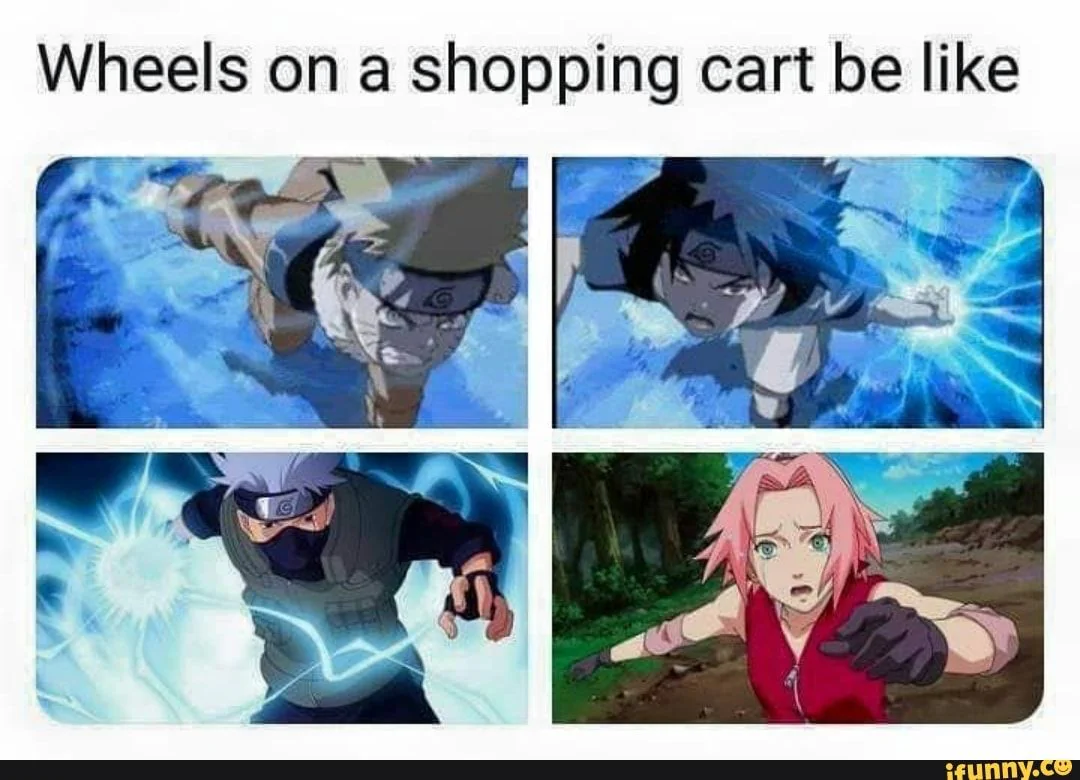
People unfamiliar with the show can still understand the broad emotion when the face is readable. That flexibility helps an image circulate between anime fans, gaming groups and friends who mostly use reactions for everyday problems. Naruto reaction humor offers a familiar example of dramatic character moments being repurposed far beyond their original stories.
Sometimes the reference matters more than the expression. An otherwise ordinary screenshot can be hilarious to fans who know the character's habits, while outsiders see no obvious joke. If a reaction needs a five-minute explanation, it may be better suited to a fandom channel. The general chat has probably moved on to deciding whether anyone remembered to buy milk.
Good reactions protect the conversation
Choose the mood before the image. Do you want to congratulate somebody, admit you're confused or tease a friend about a familiar mistake? The right anime expression amplifies that intention. A sarcastic frame can be delightful when everybody feels safe in the exchange. In a sensitive conversation, the same picture may undercut someone who was asking to be taken seriously.
Consider size and clarity too. Excessive captions make small reactions hard to read, while tightly cropped faces usually communicate more quickly. Our earlier guide to anime reaction images covers the visual side in more detail. In chat, placement matters just as much as the picture itself: react to a specific message so people know what you're answering.
Anime reactions work because they give digital conversation a visible performance. They let a friend raise an eyebrow, roll their eyes or collapse into mock despair from three time zones away. Used with care, one expressive screenshot can be warmer and funnier than a dozen carefully drafted sentences. Used badly, it can start a new argument. Even animated faces cannot replace knowing when to stop.
Sources and further reading
Background references for the history and examples discussed in this article.
- Discord support, How to Add Custom Emojis First-party explanation of custom server expressions.