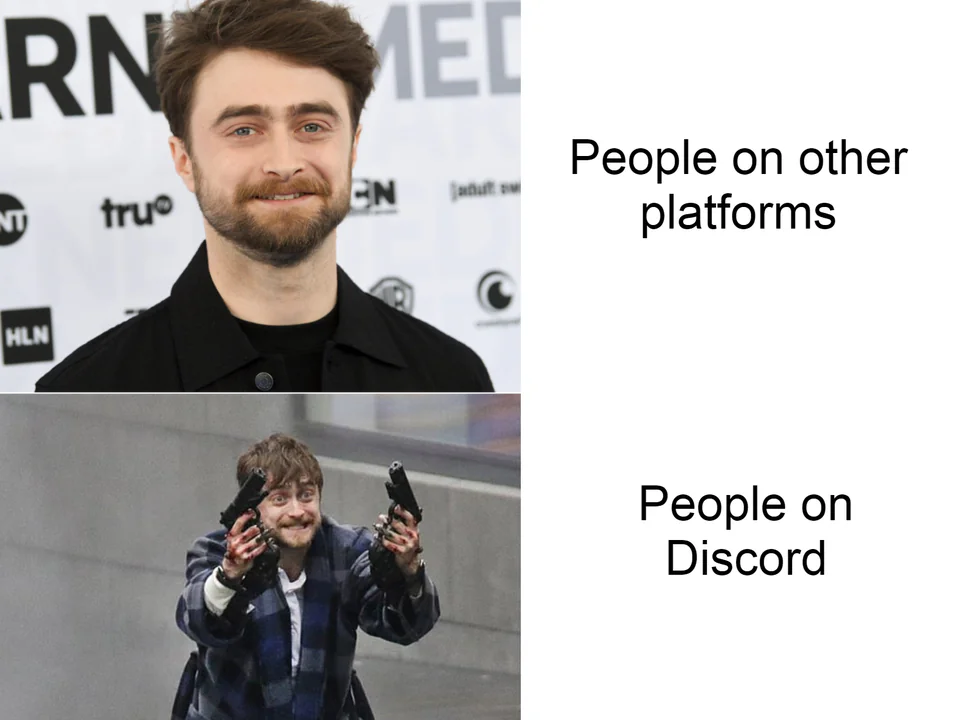
- A reaction image needs an expression that stays clear when it's small or cropped.
- The conversation around an image gives the expression its precise meaning.
- Simple crops, readable captions and good timing outperform elaborate edits.
The expression has to survive the thumbnail test
Most people encounter reaction images on phones, where a carefully chosen screenshot can shrink to the size of a postage stamp. If the emotion disappears with the detail, the reaction struggles. Exaggerated eyebrows, an unmistakable stare or a mouth hanging open in disbelief all make the feeling readable without requiring viewers to inspect every pixel. Anime offers plenty of these expressions because visual exaggeration has long been part of its storytelling vocabulary.
Simple poses often travel further than complicated action scenes. A character staring in flat disbelief can answer a bewildering message. An image full of explosions and six overlapping faces may require a guide, a seating plan and a quiet room. The funniest reaction can be the smallest one: a weary glance that says the sender has read the message and would very much prefer to unread it.
Before saving a screenshot, reduce it to the size you'd see in chat. Can somebody recognize the mood immediately? If the answer is yes, the image is already doing most of its job. Legibility matters more than visual spectacle when the audience has about half a second before the next message arrives.
Context turns a face into a punchline
A reaction image is a reply, so the material directly before it matters. A delighted character responding to good news makes intuitive sense. Put that same delighted face after a disastrous announcement, and the response may become sarcastic. Swap it into a conversation about someone's embarrassing choice and suddenly it reads as gleeful mischief. The image hasn't changed. The conversation supplies the direction.
That's why the same anime frame can circulate with many captions. The character's original situation may be dramatic, tragic or extremely specific to the plot. Online, the face can become a response to missing the last bus or discovering that somebody drank the milk. The gap between the original scene's seriousness and the new, ridiculous problem adds a layer of humor.
Good reactions also respect the recipient. If you send an obscure visual reference into a chat where nobody knows the series, a clear emotion still gives the joke a chance. Where the picture only makes sense after explaining three seasons of character development, consider a different one. Nobody wants their group chat to become a mandatory viewing syllabus.
Timing is half the comedy
A reaction that arrives immediately after the setup can feel as though it was designed for that exact sentence. The same image posted ten messages later may look confused, especially after the conversation has wandered to dinner plans. Reaction humor is unusually sensitive to placement because the reply depends on a small, shared moment.
Anime is particularly good at visual pauses. A frozen stare, a slow blink or the instant before a character shouts can capture anticipation without dialogue. Use the frame at the point in the conversation where the reader expects that emotion, or at the moment it creates a useful comic contrast. The result can feel surprisingly conversational.
Repeated use changes the effect. One person sending the same shocked face whenever something mildly inconvenient happens may turn it into a private running joke. In a wider conversation, that habit usually drains the image of surprise. Keep a small range of reactions rather than asking the same protagonist to perform unpaid emotional labor every hour.
A clean crop beats an overloaded caption
An effective crop removes visual clutter while preserving the details needed to understand the face. Keep enough of the head and posture to convey the emotion. Cut away subtitles or unrelated background elements when they compete with the moment. Avoid cropping so aggressively that the character becomes a collection of mysterious eyelashes.
Captions are useful when they establish a situation the image cannot communicate alone. They work poorly when they announce the emotion already visible in the face. If the character looks exhausted, writing 'I AM EXHAUSTED' across the forehead is unlikely to add much. A specific setup, such as opening a group assignment that nobody has touched, gives the image a stronger joke.
Image quality matters, though pristine resolution is less important than readability. An older screenshot can remain effective when its expression is sharp and the caption is legible. If the image has been reposted so many times that the text resembles archaeological evidence, look for a cleaner copy and respect the creator's credit and reuse rights where relevant.
Recognizability gives a reaction two audiences
Anime fans see more than the expression. They may recognize the episode, character relationship or original situation, which creates a second layer of humor. Someone unfamiliar with the series can still enjoy the joke if the emotion is visually obvious. A particularly good reaction works for both audiences without asking the newcomer to do homework.
Character personality can deepen the effect. A normally calm person losing composure may be funnier to fans than an already chaotic character shouting. That contrast depends on accurate familiarity, so resist inventing a character's motivation just to make the caption seem clever. When the scene matters, describe it faithfully or keep the joke focused on the visible expression.
Explore anime memes from the Meme Sumo archive for examples of how familiar frames become new jokes. You'll notice that a single screenshot can work as recognition humor for one audience and a general reaction for another. The overlap is where the most reusable images live.
Choose the reaction that actually fits
Start by naming the mood you want to convey: disbelief, relief, embarrassment, delight, impatience or something more particular. Then find a frame whose expression matches that mood without a paragraph of explanation. Consider whether the conversation is affectionate teasing or genuine frustration. A ferocious glare can be hilarious between close friends and needlessly hostile elsewhere.
A useful test is to imagine the caption disappearing. Would the recipient still understand the broad emotional response? Next, imagine the image disappearing. Does the setup itself contain a recognizable situation? When both halves contribute, the reaction is doing real work. When neither makes sense alone, the combination may be trying too hard.
The best anime reaction images often look effortless because somebody made several small decisions correctly. The frame is readable, the context is specific and the sender knows when to stop talking. That last skill may be anime's least explored superpower.
Sources and further reading
Background references for the history and examples discussed in this article.
- Know Your Meme, Reaction Images History and conventions of reaction-image formats.