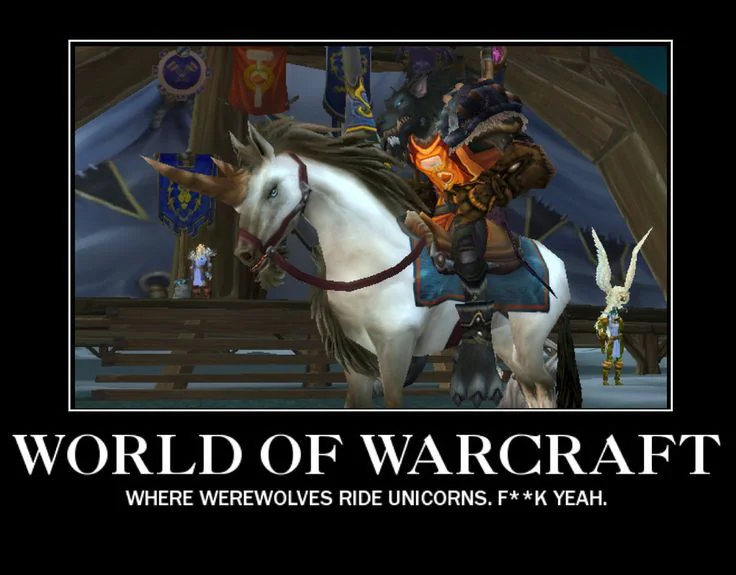
- NPC stands for non-player character, traditionally a game character controlled by the software.
- The online joke borrows recognizable behaviors such as repeated dialogue and rigid routines.
- The format also has a history as a political insult, so context matters when the target is a real person.
What NPC means inside a game
NPC is short for non-player character. In many games, that means a character controlled by the game rather than a person playing it. NPCs can be quest givers, merchants, companions, background residents or enemies, depending on the design. Their behavior is often governed by dialogue, routines and systems created by developers.
Older games made this behavior especially conspicuous. A resident might repeat a greeting whenever the player approached, wander along a predictable route or deliver the same warning regardless of what had happened elsewhere in the story. The repetition is part of the software's structure. Players can find it charming, useful or unintentionally funny.
Imagine an innkeeper who has spent twenty in-game days telling you that there's trouble on the road. You have already solved the trouble, rescued the village and purchased half the inn's stock. The innkeeper has one job: deliver the warning. Their professional dedication is staggering.
The joke moves from scripted characters to real life
As gamers shared screenshots and clips, NPC became shorthand for a person who appeared to follow a routine without acknowledging the situation. Somebody repeated a phrase word for word. Someone else walked through a strange scene without reacting. Commenters compared the behavior to a background character following its programming.
The reference is easy to understand when it stays focused on harmless patterns. A friend who says the same thing before every match resembles a game character with one dialogue option. A person who performs an identical coffee order each morning may look as predictable as a shopkeeper waiting in the same place. Human beings develop routines. Games made those routines funny by showing an especially mechanical version.
The online meaning is broader and less precise than the technical gaming term. A person doing something predictable is still an actual person with their own reasons, thoughts and experiences. The joke can turn mean when it claims someone lacks independent judgment, especially in arguments where the speaker is trying to dismiss another person's views.
The NPC Wojak meme becomes political
A distinctive gray-faced character known as NPC Wojak spread online in 2018. The image depicts a simplified face with a blank expression and became associated with accusations that other people merely repeat prescribed opinions. Know Your Meme's NPC Wojak entry traces the character's online history and its role in political trolling.
The format often used identical faces or dialogue to suggest that a group was thinking or speaking alike. That setup can make a satirical point about repetitive slogans, but it can also dehumanize people by treating disagreement as proof that the other person has no mind of their own. The target and context determine how the joke lands.
This history matters because the phrase 'NPC meme' can refer to several different things. It might mean a funny clip of game dialogue, a lighthearted joke about someone's routine or a politically charged image. Readers who only know the gaming use can miss the extra baggage attached to the online version.
Why repetitive dialogue makes good comedy
Repetition is a simple comic device: the audience knows exactly what is coming, then laughs because the situation makes the repeated line increasingly absurd. Video games make this easy. Players can return to the same character repeatedly, gathering variations on the same non-reaction. An NPC may deliver a cheerful greeting while chaos erupts a few feet away.
Glitches and awkward animations add another layer. A character continues sweeping an empty floor during a dramatic event or follows a fixed route into something obviously dangerous. The humor comes from the mismatch between the world reacting and the character remaining rigid. It's the digital equivalent of someone calmly finishing paperwork while the building's fire alarm is going off.
Multiplayer games offer their own version. Players adopt deliberately robotic speech patterns, repeat a catchphrase or walk stiffly in a straight line to imitate an NPC. These performances can be funny because everyone understands the character being played. The joke works best when the performer and audience share the premise.
NPC streams add a new kind of performance
In livestream culture, the label also appears in a style of performance where creators repeat short phrases and gestures in response to audience interactions. The repeated movements mimic the predictable responses of game characters. A viewer triggers a familiar line; the performer delivers it with near-mechanical consistency. The result can be hypnotic or baffling, depending on how long you've been watching.
This style puts repetition in the center of the entertainment instead of treating it as a technical limitation. The performer is consciously creating a loop that audiences recognize and influence. Watching a person imitate a scripted character adds another layer to the original NPC joke, one that relies on shared expectations about digital behavior.
It also shows how far the term has traveled. A phrase once used to identify software-controlled characters can describe a picture, a political insult, a comedy bit or a livestream format. The meanings overlap without being interchangeable. A clip of somebody doing a silly impression does not carry the same message as a post attacking a real person's opinions.
How to use the joke without turning it sour
An NPC reference works best when it points to a specific, observable behavior. A shopkeeper repeating the same greeting is a direct example. A friend giving the same rehearsed answer whenever you suggest a different restaurant can be a gentle, affectionate joke. The viewer understands the pattern, and the humor doesn't require treating anybody as less human.
Take more care with strangers or political targets. Using NPC as a blanket label for people you disagree with avoids discussing their actual words or decisions. It also carries the format's history of mocking perceived conformity. A more interesting joke can describe a genuinely repetitive phrase or ritual without pretending the people involved lack independent thought.
The lasting appeal of the NPC meme comes from familiarity. Gamers know the odd sensation of visiting a character whose entire world consists of one line and a fixed route. Online culture found ways to compare that behavior with everyday routines. The comparison can be clever when the detail is precise. And somewhere in a fictional village, a shopkeeper is still waiting to tell you they've heard rumors about the old mill. They will be delighted to tell you again.
Sources and further reading
Background references for the history and examples discussed in this article.
- Know Your Meme, NPC Wojak History of the 2018 character and political usage.