- Early gaming forums made jokes feel like club references that rewarded people who knew the game.
- Clips and image macros let one memorable moment escape its original server.
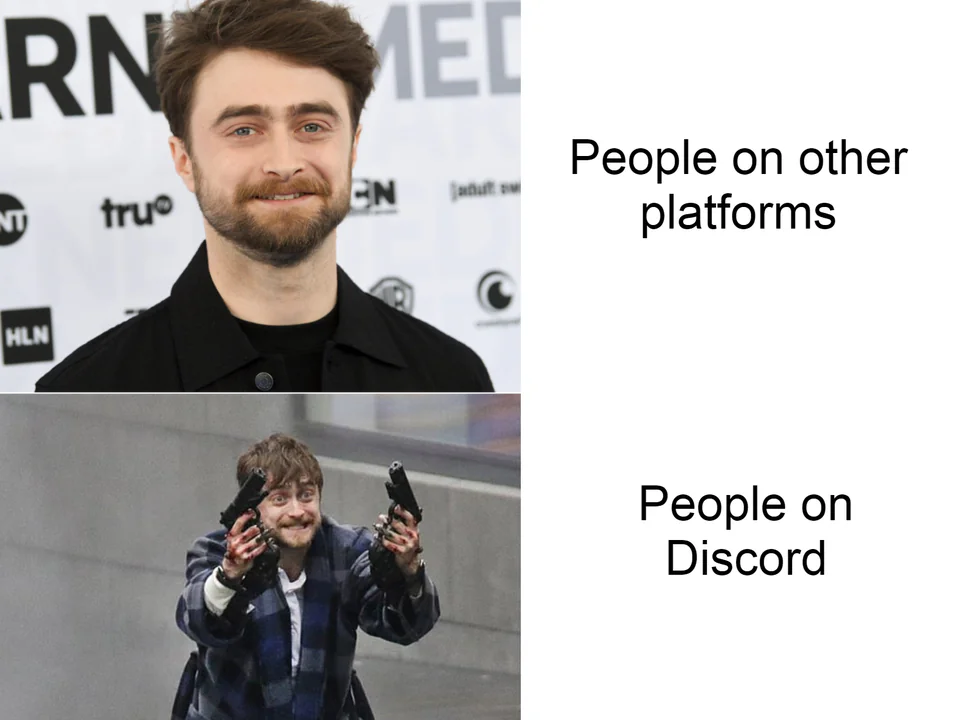
- Discord turned reactions into quick, small-group conversations, with context doing much of the comic work.
When the forum thread was the entire audience
Before every gaming moment could be clipped in seconds, players traded jokes in forum threads, fan sites and message boards. A screenshot of a strange physics glitch might appear under a technical question. Somebody would add a sarcastic caption. By lunchtime, the replies had become a competition to make the original problem sound even more humiliating. The image itself could be terrible quality. That didn't matter to people who had spent three hours trying to fix the same problem the night before.
These communities already had their own dialects. A raid group could turn a particular boss mechanic into a recurring joke. A strategy forum might endlessly quote a player who insisted that an obviously disastrous build was unbeatable. The humor worked because readers knew what should have happened. Without that knowledge, a screenshot of six exhausted-looking avatars standing in the wrong place was simply six avatars standing in the wrong place.
Forums also gave jokes a slower shelf life. Threads stayed searchable, signatures carried recurring punchlines and moderators occasionally had to decide whether the same joke posted for the seventy-fourth time still qualified as a contribution. It rarely did. Yet the repetition helped people recognize each other. Quoting the right line signaled that you belonged to the community, even if your actual skill level suggested you had joined by accident.
The raid wipe that became everyone's business
The 2005 World of Warcraft clip known as Leeroy Jenkins remains a wonderfully compact example. A group discusses how to handle a dangerous room. One player charges in shouting his character's name, and the careful strategy dissolves into chaos. The clip spread far beyond the original player group because the setup was readable without an instruction manual: somebody had a plan, somebody else had enthusiasm and nobody survived the collision.
The scene's authenticity has been debated, and accounts of the recording have described it as staged. That uncertainty doesn't erase what made the clip funny. The timing is absurdly good, the panic sounds familiar and the final complaint lands with the weary authority of a person who has watched teammates ignore instructions before. Know Your Meme's history of Leeroy Jenkins documents how the recording spread and acquired a life far beyond its original game.
The clip also showed how a player's character name could become a complete sentence. Saying 'Leeroy Jenkins' communicates reckless commitment, usually at the exact moment somebody should exercise caution. It works in an office meeting, a cooking disaster or a group project where one person has started editing the shared document without reading the brief. The joke escaped the game while keeping the sensation of the original mistake.
Screenshots learned to speak in captions
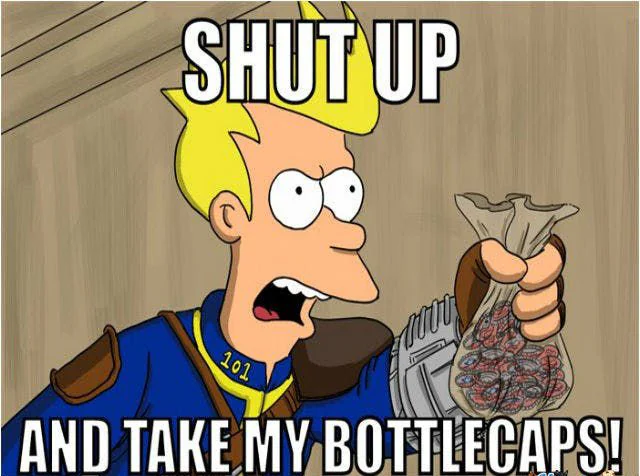
Image macros gave gaming humor a remarkably practical container: one recognizable picture, one short caption and enough context for a stranger to understand the embarrassment. Players no longer needed to explain the entire match. A character staring at a wall could express total confusion. An enormous damage number could become the visual equivalent of a small financial emergency. Cropping and bold text did the rest, sometimes with the typographic delicacy of a warning label on a chainsaw.
Gaming supplied unusually flexible imagery. Character portraits were expressive, menus were full of odd phrasing and screenshots could capture the split second before a terrible decision. World of Warcraft meme collections still show how raids, character classes and player behavior provide jokes that remain recognizable long after a specific patch becomes ancient history. The underlying feeling is portable even when the spell names are not.
Players also began using familiar images to comment on other games. An exhausted RPG protagonist could describe a competitive shooter's matchmaking. A racing game's spectacular crash could stand in for a failed exam. The picture didn't need to come from the subject of the joke. It needed to communicate a mood quickly enough that the reader got there before a paragraph of explanation arrived to spoil it.
Video and streaming added the missing timing
Video changed what could become the punchline. A still image shows the aftermath of a failure, while a clip can preserve the half-second of overconfidence that caused it. A player says a boss looks easy. The boss immediately performs an attack resembling a weather event. The speed of that reversal is difficult to reproduce in a caption, although people will bravely attempt it in the comments.
On YouTube, gameplay moments could be replayed, remixed and sent to people who had never touched the game. Streaming added the performer's reaction: the silence after a loss, the exaggerated celebration before the match is actually over or the laugh that escapes when a supposedly serious strategy collapses. A good clip may contain two jokes at once, with the game doing something ridiculous and the player making it worse by responding in public.
Reddit threads, community feeds and short-form video helped clips move between fandoms. They also encouraged remixes. The same reaction could acquire new subtitles, music or a completely different frame of reference. That flexibility expanded the audience, though it sometimes shaved away the original context. A joke about a notorious bug might travel as a generic 'me on Monday' reaction. The exhausted character gets to keep working weekends.
Discord brought the joke back into the group chat
Discord launched in 2015 with a focus on people who wanted to talk while gaming. Its company history traces the early chat app and later additions such as custom server emoji. These tools changed the everyday scale of gaming humor. A sprawling public thread could entertain thousands; a server with twelve friends could make one terrible screenshot relevant for months. Every group has at least one image that means something inexplicable to outsiders and something devastatingly specific to everyone inside.
Channels create smaller rooms for jokes to develop. An image posted in a general chat might disappear quickly, while one stored as a custom emoji becomes a permanent reaction to bad news. Someone suggests another late-night ranked match. Three people respond with the same tiny face. The discussion has concluded, and nobody needed to write a sentence.
Voice chat gives mistakes an immediate audience. A missed jump, accidental grenade or panicked scream can turn into a nickname before the next round begins. Screenshots and clips then return to the text channels as evidence. The cycle is wonderfully unfair: the original event lasts four seconds, while the edited image announcing your incompetence can survive the next four years. Small-group context makes the joke sharper because everybody knows exactly who is being teased.
How the same joke changes when it changes platforms
Take a single botched raid as an example. On a forum, the original post might contain a long explanation, character names and a discussion about the precise mechanic that caused the collapse. On a video site, the moment becomes a short clip with a title that gives away just enough information to invite a click. In a Discord server, somebody sends the clip without explanation because everyone already remembers the person who made a similar mistake last Thursday. The same event has become three different pieces of comedy.
Those differences influence what survives. Forums reward context and a sense of communal history. Clips reward timing and immediately legible action. Group-chat reactions reward familiarity with the people receiving them. A complex in-joke might lose something when it escapes into a general feed. Meanwhile, a chaotic moment that needed five paragraphs of explanation may become perfectly clear once viewers see the actual recording. Every format has its own talent for making somebody look foolish.
Preservation is another part of the story. Old forum image links can break, videos can disappear and platforms can reorganize their archives. A joke may remain in people's memories even when its original post has vanished. Screenshots of screenshots and repeated retellings sometimes become the only surviving evidence. That's worth remembering before claiming that a widely shared version is the first or the original. Internet archaeology often resembles searching for a lost artifact while several witnesses insist the artifact was a dancing potato.
The formats changed; the players kept supplying material
Gaming jokes have become faster to make and easier to share. A modern reaction might start as a Twitch clip, become a Discord sticker and eventually turn up as a caption on an entirely unrelated video. Each step changes the audience and sometimes the meaning. A familiar image can lose a detail that once mattered or gain an unexpected punchline from the people who remix it.
At the same time, private jokes still matter. Even in giant online communities, some of the funniest material remains a badly cropped screenshot that makes sense to six people. Public platforms spread the good stuff; small groups nurture the wonderfully embarrassing stuff. Both are part of the same history, and each depends on people who enjoy turning misfortune into entertainment.
The next format will probably find a way to make reactions even quicker. Gaming culture will adapt, because its supply of avoidable disasters is remarkably secure. Somewhere, right now, a confident teammate is saying 'watch this' immediately before doing something that will be remembered for longer than their greatest victory. The recording button is already on.
Sources and further reading
Background references for the history and examples discussed in this article.
- Discord, Our Mission and Story First-party timeline of Discord's launch and early features.
- Know Your Meme, Leeroy Jenkins Documented origin, spread and cultural use of the Warcraft video.