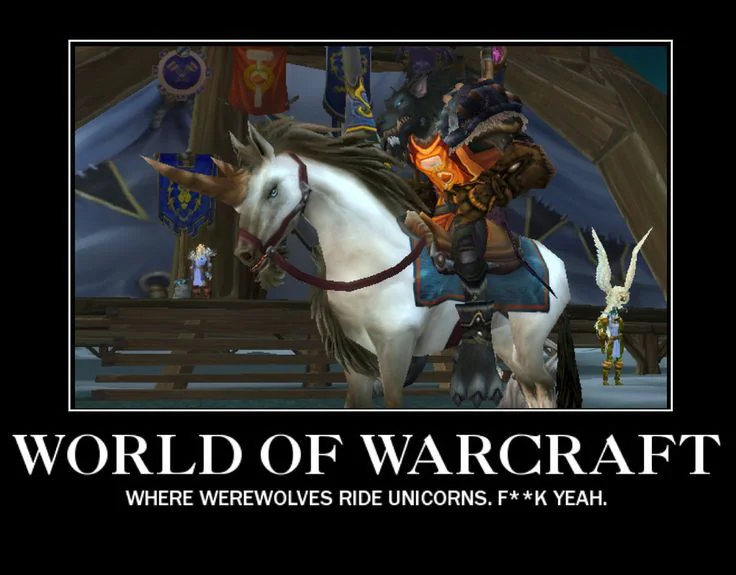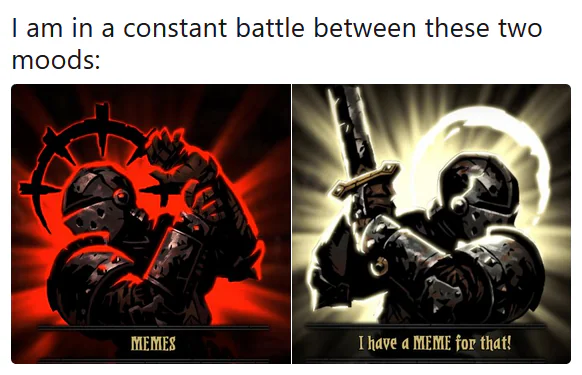
- Visual glitches are easy to share because their absurdity is obvious without much explanation.
- Clips, screenshots and community storytelling give certain bugs a life beyond their original release.
- A funny bug still needs context: amusing glitches and progress-breaking defects are very different experiences.
Physics engines are accidental comedians
Game physics tries to make objects behave convincingly. Occasionally, a collision calculation sends a character into the sky, a chair across the room or an enemy through a wall. The result can look like a magic trick performed by somebody who has never seen the instructions. A dramatic quest becomes an improvised slapstick routine.
Physics glitches are ideal short-form material because they are immediate and visual. A viewer doesn't need the game's full plot to understand that a guard should not be balancing sideways on a lamppost. The surprise happens in a single moment, and replaying that moment often makes it funnier. The character looks just as confused on the seventeenth viewing.
Games built around large simulated spaces offer many moving parts: characters, objects, terrain and collisions. These interactions create opportunities for unusual outcomes, although a clip alone rarely identifies the exact technical cause. It is safer to describe what viewers can see than confidently diagnose the engine from a twenty-second video. The animated corpse may be unforgettable. Its root cause still deserves investigation.
The glitch that becomes part of a game's personality
Certain series develop reputations for eccentric moments. Players collect screenshots of bizarre character animations and unusual item interactions, sharing them as part of the communal experience. Some even begin anticipating odd behavior. A strange pose in a cutscene can produce affection instead of surprise when viewers recognize the game's familiar rough edges.
Bethesda's open-world RPGs are a rich subject for this kind of conversation because fans document memorable interactions between characters and environments. Collections of Fallout 4 memes capture some of that irreverent tone: a world presenting itself with dramatic seriousness, with players cheerfully pointing out the ridiculous things that happen while exploring it.
That affection shouldn't erase the difference between harmless oddities and failures that waste players' time. A shopkeeper floating above a counter is amusing when the quest continues normally. Losing saved progress after a long session is another matter entirely. Both deserve fixes, yet only one is likely to become a cherished reaction image.
Why a screenshot can outlive the problem
Developers can patch a defect, but a popular recording remains online. The clip may continue circulating long after the original behavior disappears from the game. Players returning years later encounter the joke first and the actual software second. The image becomes a piece of community memory with a surprisingly long shelf life.
Visual bugs are especially good at traveling between audiences. A screenshot of an NPC with an impossible facial expression requires less specialist knowledge than a video showing an obscure inventory exploit. Anyone can recognize that a character's elbows should not be doing that. A clear caption adds the relevant game reference, and the audience supplies the laugh.
Once the clip is famous, people remix it into unrelated conversations. A character frozen in an exhausted expression might represent the last hour of a workday. A spinning object becomes shorthand for chaos. By the time the image reaches a new platform, its viewers may have no idea which game produced it. The original bug has completed an unlikely career change into office humor.
Community repetition turns accidents into folklore
A bug becomes legendary when players tell stories about it. They share examples, compare attempts to reproduce it and argue over whether it was more common in an earlier version. The discussion builds a narrative around the original clip. People remember where they were when they first saw it, who sent it to them and how many times they replayed the moment.
Repeated jokes can also create misconceptions. A funny compilation might combine footage from modifications, older versions and genuine unmodified gameplay without clear labels. Viewers then assume every incident is a current, reproducible defect. If you want to describe a particular glitch accurately, identify the game version and distinguish original gameplay from modifications where possible.
Community archives and Know Your Meme can help trace how a clip spread, while the game's own patch notes provide better evidence of what its developers changed. Those sources answer different questions. A meme history records what people shared and how they interpreted it. A patch note records a specific software correction. Both can be interesting, especially when the resulting joke survived the repair.
Sometimes the bug becomes a challenge
Players occasionally discover unintended behavior that enables unusual feats: reaching an inaccessible place, moving faster than expected or skipping an obstacle. Speedrunning communities may study such interactions closely, building precise methods around them. The comedy shifts from the initial accident to the effort required to reproduce it consistently.
An accidental launch that once looked ridiculous can become the centerpiece of an elaborate route. Runners explain positioning, timing and acceptable conditions, while casual viewers see a character doing something that appears entirely incompatible with normal physics. Both groups are right to be impressed, though for slightly different reasons.
Some glitches remain patch-sensitive or depend on particular versions. That matters when explaining them. A clip from an old release is evidence that an incident happened in that recording, not proof that viewers can recreate it today. If a trick is specific to a build, say so. The best gaming history preserves the joke without turning an outdated clip into technical advice.
The patch fixes the game, but the joke stays
An official update can remove the behavior that made a clip famous. That is usually good news for players, especially when the issue interrupts quests or damages saves. Still, removing a bug doesn't erase the screenshots, conversations or edited videos it inspired. People keep sharing them as reminders of a particular moment in the game's history. The software changes; the community keeps its scrapbook of improbable physics.
That gap can complicate reporting. A new player may encounter an old video and assume the same issue still happens. An article can avoid that confusion by checking official update notes and identifying the version shown where possible. A clip recorded years ago is a historical example. It shouldn't be presented as evidence of the current state of a live game. The distinction is especially useful when the bug involves performance, accessibility or lost progress, where a mistaken claim can mislead people considering a purchase.
Some players even miss funny visual glitches after they are fixed. They remember spontaneous moments that made the game feel unpredictable, despite the annoyance those moments may have caused at the time. This nostalgia makes sense without suggesting developers should leave defects in place. A charming memory and a functioning game can coexist. The archive gets to preserve the floating character; the current player gets to finish the quest.
What makes a glitch worth remembering?
Strong glitch stories usually have several ingredients: a visible surprise, a situation players recognize and a recording that makes the outcome understandable. Timing helps. A character flying away during an emotional speech is much funnier than an equally strange movement in an empty test room. The unexpected failure interrupts something the game wants you to take seriously.
Scale can also help. A tiny visual hiccup might be interesting to developers, while an NPC folding into the shape of a deck chair earns immediate attention from everyone else. Yet there is a limit to spectacle. If the clip is so chaotic that nobody can identify what happened, a short explanation or a better angle may be necessary.
Most memorable bugs are ultimately stories about the difference between a game's intention and its behavior. Developers create enormous simulated worlds. Players discover what happens when those worlds are asked to handle combinations nobody anticipated. The results range from frustrating to magnificent. Somewhere, an NPC is still walking into a wall with admirable professional commitment.
Sources and further reading
Background references for the history and examples discussed in this article.
- Know Your Meme Archive of online joke formats and community documentation.
- Bethesda game updates Publisher source for official games and update information.