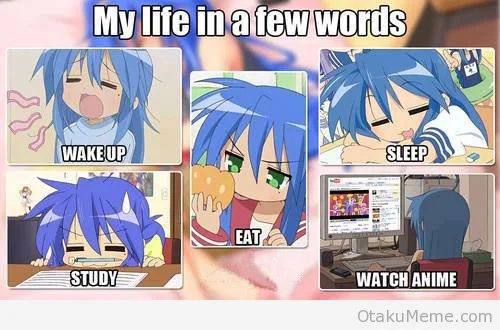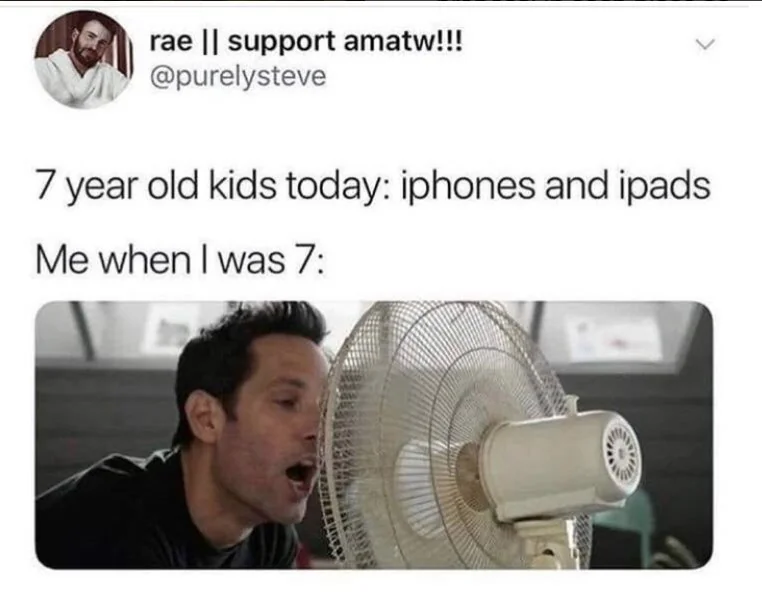
- Captions frame what viewers notice and how they interpret an image.
- Humorous relabeling works because familiar emotions can fit new situations.
- When captions make factual claims about people or events, the underlying photo needs verification.
A photograph doesn't explain itself
A photo captures a fraction of a second. It may show people, objects and a visible setting, but it doesn't automatically tell you what happened before or afterward. A person raising a hand might be greeting a friend, asking a question or signaling for someone to stop. The image offers clues, while the caption selects an interpretation.
That process is normal in journalism and everyday communication. Descriptive captions identify participants, location and context. In memes, captions deliberately invite a new story, often one that has nothing to do with the original scene. A dramatic facial expression can describe the way you feel when your computer asks for another update.
The difference lies in what the text claims. 'Me when the coffee runs out' clearly presents an analogy. 'This person was furious at yesterday's announcement' purports to describe the event itself. One is a playful use of imagery, while the other needs proof. Both may look equally convincing when written in the same cheerful typeface.
A few words can redirect attention
Captions influence which details viewers notice first. Label the empty chair as 'my motivation' and the focus shifts from the seated person to absence. Label it as 'the teammate who promised to join' and the same photo becomes a joke about unreliable friends. The visual information hasn't changed. The words have assigned roles to its elements.
Popular meme templates exploit this flexibility. The labeled subjects in the 'Distracted Boyfriend' format become competing priorities, even though the photograph originally showed a staged scene. Its documented meme history explains how users turned a stock photograph into a reusable comparison. The three figures now participate in discussions about everything from hobbies to software decisions.
Good captions are specific enough to produce recognition without explaining every inch of the image. 'When the person who said they'll be five minutes away is still at home' supplies a familiar situation. A paragraph describing the entire fictional story would slow down the joke. If the reader needs an organizational chart to locate the punchline, editing may be required.
Cropping can strengthen or distort the story
An editor may crop a picture to emphasize one face or remove distracting details. That can improve a reaction image. It can also conceal information that changes the interpretation. A photo of someone apparently staring at another person might look different when the wider frame reveals what they're actually looking at.
Humorous edits are free to invent a fictional setup when the audience understands the game. A public figure can be placed into an imaginary restaurant as a joke, provided the post makes that distinction clear. Problems arise when a cropped image is presented as documentation of an event it never showed.
Full Fact's guide to misleading images recommends examining visible details and searching for other versions of a picture. The original frame may reveal signage, dates or people missing from the viral crop. Sometimes the entire mystery disappears when you locate the uncropped photograph. The internet's dramatic conspiracy was a badly timed camera angle.
Humor changes how an emotion is read
A person smiling can appear delighted, sarcastic or uncomfortable depending on the caption and surrounding exchange. A neutral expression can stand for disbelief in one meme and exhaustion in another. These interpretations don't require manipulation of the original image. The text suggests an emotional response, and viewers connect it to their own experience.
Reaction images rely on this process constantly. A stunned anime character may be responding to an intense fictional event, while online captions use the same face for a minor everyday inconvenience. Our guide to context-free reactions shows why familiar expressions remain useful even after their source scenes are forgotten.
The funniest captions often exploit a gap between image and situation. A heroic pose describes finally taking the bins outside. A character looking devastated reacts to the discovery that someone ate the final biscuit. The image overstates the stakes, and the caption gives readers just enough context to enjoy the exaggeration.
Captions can change what seems important
Two descriptions of the same photograph can both be literally compatible with the visible scene while drawing attention to different details. A caption that mentions a tired expression asks the reader to notice a person's face. Another that mentions an empty room shifts attention to the setting. A third might emphasize an object in the corner. Selection isn't automatically deception, but it affects the story audiences take away.
The effect becomes more consequential when people already hold strong views about a subject. A caption that leaves out relevant context can reinforce an assumption without saying anything directly false. Consider what the image cannot show, including earlier events, later reactions and the photographer's original purpose. Those missing pieces can matter as much as the details visible on screen.
A real photo with a false caption is still misleading
One common problem involves old photographs recirculating as if they depict a new event. A crowd from a past festival might be mislabeled as a recent political rally. A dramatic weather image might be attached to a different storm. The photo may be authentic, but the new location or date changes what viewers believe happened.
The House of Commons Library's image-verification research distinguishes genuine images used with false context from manipulated or AI-generated content. To verify a caption, identify the original source, date and location. Compare them with the new claim using reputable records or corroborating photographs.
Don't assume that many reposts make a caption true. The same misleading description can spread across accounts quickly, especially when it supports an exciting story. A screenshot of a viral post is evidence that the post existed, not that its claims were accurate. Popularity is an excellent measure of how much attention a picture received and a terrible substitute for a source.
How to write captions that are funny and fair
Make the joke's premise recognizable. If you're using a stock image or fictional scene to express a feeling, a simple 'me when' construction is often enough. If the image includes a real person in an invented situation, keep the satirical framing clear. Readers shouldn't need detective skills to determine whether an apparently official statement was made up.
When describing a real event, provide accurate context. Identify the person, place and date where available, and avoid assigning motives or emotions that the photo alone cannot establish. A surprised expression isn't proof that somebody was shocked by a particular announcement. A still frame cannot testify about the entire event.
The best captions give an image a sharper purpose without asking it to prove something it cannot. A well-chosen line can turn an ordinary photograph into a memorable joke. A misleading line can turn the same photograph into a false story. Use the first talent freely, and treat the second as a reason to check your work before posting.
Sources and further reading
Background references for the history and examples discussed in this article.
- Know Your Meme, Distracted Boyfriend History of a photograph adapted into a caption-based template.
- Full Fact, How to Spot Misleading Images Online Techniques for checking image context.
- House of Commons Library, How to Verify Images and Videos Research briefing on identifying miscaptioned and altered material.