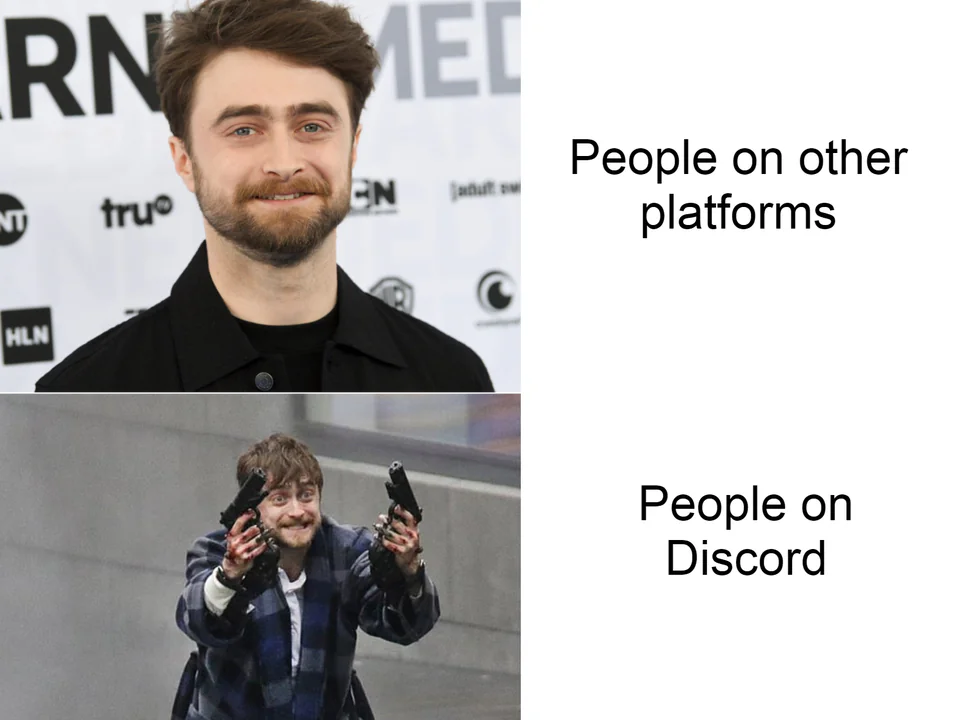
- Dank originally refers to unpleasant dampness, but online slang can use it to mean excellent or notably strange.
- Dank memes often parody familiar formats, exaggerate bad editing or joke about how overused internet jokes have become.
- The word's meaning changes with context, and sometimes calling something dank is itself the joke.
The word had a life before the internet
The traditional meaning of 'dank' describes damp, chilly or musty conditions. A poorly ventilated cellar might be dank. A wet wall that seems determined to grow its own ecosystem definitely qualifies. The word later gained positive slang uses, including the sense of something excellent, before internet communities adopted it as part of their comic vocabulary.
That history explains the apparent contradiction. Someone can praise an image as dank without suggesting any actual moisture. Dictionary.com's account of 'dank meme' traces the phrase from early online communities and describes how ironic praise became part of its meaning. The term was already a little mischievous before it arrived in your group chat.
Language often borrows familiar words and assigns them new work. 'Sick' can be a compliment, and 'fire' can describe something that shouldn't be extinguished. Dank followed a similarly peculiar route. The remarkable part is that the internet managed to make a word associated with moldy upholstery sound like an endorsement.
What makes a meme dank?
A dank meme may use a familiar image in an unusually absurd way. Picture an ancient reaction template covered with oversized text, awkward effects and a caption that deliberately refuses to explain itself. The humor often comes from recognizing the format while noticing how enthusiastically somebody has mistreated it. The result looks simultaneously outdated and very pleased with itself.
The label can also describe jokes that are unusually niche. A reference understood by a tiny gaming community might feel wonderfully dank to its members because it rewards shared knowledge. To outsiders, the same picture appears to be a low-resolution potato making an accusation. Neither reaction is inherently wrong. The audience supplies much of the meaning.
Overuse is part of the vocabulary too. Know Your Meme's entry on dank memes describes the phrase's relationship with deliberately bizarre jokes and formats that have become stale. Calling an exhausted meme 'dank' can be a wink at its age. The compliment occasionally arrives carrying its own sarcastic quotation marks.
Why bad editing can be part of the joke
In conventional design, poor cropping, strange proportions and compressed images are problems to fix. Ironic internet humor can turn those flaws into stylistic choices. An ugly cutout can make a solemn character look ridiculous. Repeated compression may give an ordinary photograph the atmosphere of a message discovered on a haunted printer.
That doesn't mean every low-quality image is a carefully constructed masterpiece. Some are simply low quality. What makes the effect funny is a recognizable intention: the editor understands that the image looks ridiculous and uses the mismatch as part of the punchline. A meme that loudly announces its own ridiculousness can feel more entertaining than a polished image making a weaker observation.
Many of those techniques overlap with ironic meme formats and deliberately exaggerated internet aesthetics. You may also encounter the term 'deep-fried meme' for heavily distorted pictures. Dank is broader and less technically precise, so the labels aren't interchangeable. One describes a cultural attitude; the other often points to a recognizable editing style.
The meaning changed as more people used it
The phrase circulated in online communities during the 2010s and became recognizable well beyond specialist meme forums. Its usefulness encouraged more people to use it, which created a small problem: a word intended to praise unusual or self-aware humor became ordinary slang. The joke about being ahead of the trend eventually became a trend itself.
That contradiction is common in online culture. A small group invents a way to signal that it understands a particular kind of humor. The phrase spreads, loses some of its exclusivity and gets recycled by the wider audience. Early users then joke about the word being overused. The resulting criticism becomes another meme. Nobody escapes the cycle, least of all the word originally describing an unpleasant cellar.
You can see a similar progression in the history of irony and post-irony. An audience can sincerely enjoy something while laughing at how exaggerated its presentation has become. Dank often lives in that uncertain territory, where appreciation and mockery sit at the same table.
How to tell whether someone means it seriously
Look at the picture and the conversation around it. If a friend calls a clever, unusual joke dank, they may be offering genuine praise. If they say the same thing beneath an image everyone has seen eighty times, the compliment may be sarcastic. If they attach a spectacularly distorted picture, they may be celebrating the deliberate absurdity itself.
Context beats a rigid definition. The word can mean 'good,' 'weird,' 'old,' 'self-aware' or a mixture that barely survives translation. You don't need a dictionary every time someone sends a picture. Pay attention to whether the group is laughing at the joke, at the format or at the decision to keep using the format.
Ultimately, 'dank' works because internet humor enjoys words that can mean several things at once. The term gives people permission to praise something ridiculous without sounding too earnest about it. Should you call every funny picture dank? Probably not. Even slang deserves an occasional day off, preferably somewhere dry.
Sources and further reading
Background references for the history and examples discussed in this article.
- Dictionary.com, Dank Meme Lexical history and the term's intentionally ironic use.
- Know Your Meme, Dank Memes Documented early uses and recurring conventions.