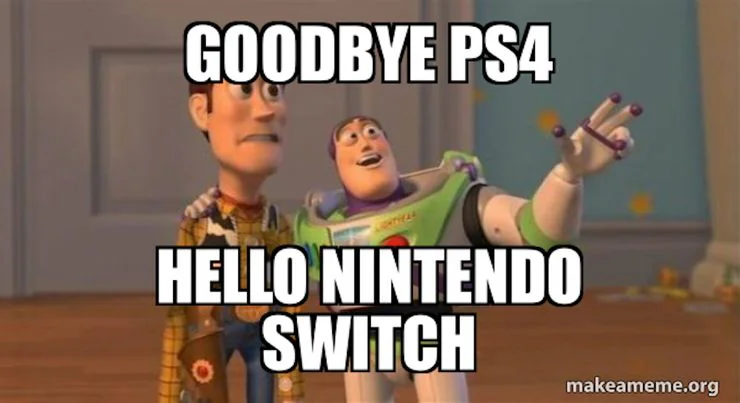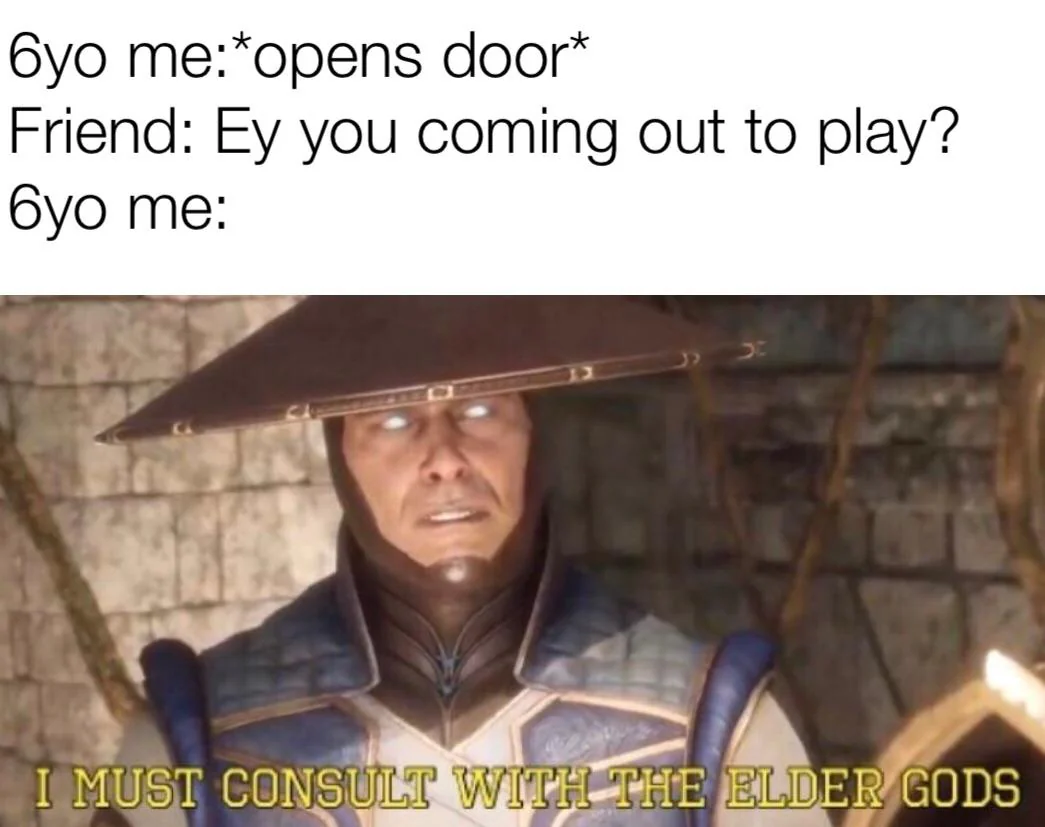
- Community humor begins with repeated experiences that members recognize without explanation.
- Platforms, moderation practices and audience size influence which kinds of jokes thrive.
- Inside jokes can build belonging, but they also need enough context and care to welcome newcomers.
Platform design changes the rhythm of the joke
A fast group chat rewards short reactions, quick references and images that fit beside another person's message. A forum thread offers room for elaborate stories, long-running debates and increasingly sophisticated callbacks. A livestream's chat can create a collective reaction in seconds. The underlying humor is shaped by what people can easily post and how quickly the audience responds.
Discord communities can convert local jokes into custom emoji and stickers. The expression becomes a one-click response that members reuse whenever a familiar situation occurs. Our look at how Discord changed meme sharing explains why channel structure and repeated reactions help build that vocabulary. A useful image may eventually function as punctuation, although the punctuation looks like somebody screaming into a sandwich.
Public feeds create different incentives. A post usually needs enough context for strangers to understand it as they scroll. The joke must announce its premise quickly, or it will disappear beneath the next video. Private servers can afford far more specificity because participants remember last month's argument. The joke is less portable, but the reward for people who understand it can be greater.
A community's vocabulary becomes its comic accent
Specialized groups develop abbreviations, nicknames and phrases that make conversation faster. Speedrunners discuss PBs, splits and bad RNG. Fans quote familiar lines from shows. Creative communities invent affectionate labels for common mistakes. Once these expressions become routine, they can be used ironically or exaggerated for comic effect.
Imagine a speedrunner describing a trip to the supermarket as an unsuccessful attempt to set a personal best. The joke borrows competition language for a task that nobody else was timing. Members familiar with speedrunning slang recognize the mismatch immediately. An outsider might wonder why buying bread has become a competitive discipline.
Language also signals belonging. Using a group's phrase correctly communicates that you've participated long enough to understand its history. That can feel welcoming when the reference is shared generously. It can feel excluding when members treat every unfamiliar question as evidence that a newcomer doesn't belong. Nobody is born knowing why a particular server calls an ordinary ladder 'the final boss.'
Different communities have different comic boundaries
Groups develop expectations about teasing, sarcasm and acceptable subjects. Close friends may enjoy relentless jokes about a harmless gaming mishap, while a professional forum may prefer carefully framed technical humor. A health support community might use warm self-deprecation without making light of another person's experiences. These choices reflect what members need from the space.
Moderation helps establish those boundaries. Rules about targeted harassment, spoilers, personal information and graphic content shape the jokes people feel comfortable sharing. A good moderator doesn't need to certify every pun, but clear expectations help distinguish playful teasing from persistent ridicule. The person being teased should be able to participate in the joke, not become a recurring target against their wishes.
Subcultures also change over time. New members bring unfamiliar references, older members grow tired of repeated formats and a community's priorities may shift. A joke that felt harmless in a small private group can look very different once posted publicly without context. Humor travels faster than the explanation of why everyone originally thought it was funny.
Inside jokes can travel beyond the original group
A particularly simple phrase or memorable image may escape the community that created it. Members share it elsewhere, outsiders imitate it and a new audience adds different captions. The reference becomes less dependent on its original context. That process explains why fandom jokes sometimes reach the mainstream, while other jokes remain obscure and deeply beloved.
Portability depends on the format. A recognizable facial expression can communicate surprise to strangers. An elaborate reference involving several user names and three years of chat history will require more work. Neither is inherently better. Public popularity isn't the only measure of a community joke's success. A picture that reliably makes six friends laugh has already achieved something.
Creators and sources matter when material moves. An image may contain someone else's photograph, illustration or voice recording. Reposting it publicly can raise privacy and attribution concerns that didn't feel obvious in a small server. Responsible sharing asks who made it, who appears in it and whether the intended audience would be comfortable with its wider circulation.
Why outsiders sometimes miss the point
Humor relies on expectations. People laugh when they recognize a pattern and see it disrupted in a satisfying way. Without the pattern, the disruption may simply look strange. A member of a niche hobby group sees a clever reversal of a familiar rule. Someone outside the hobby sees an ordinary photograph with an inexplicable caption.
That doesn't mean an outsider lacks a sense of humor. They lack the context that gives the reference meaning. Explaining the setup can help, especially when the group wants to welcome new participants. One clear sentence about the original situation is often more useful than a thirty-message debate about whether real fans should already know it.
Communities thrive when their humor develops without becoming a locked door. Let the odd vocabulary and historical callbacks give the place personality, but leave room for people to learn. The mysterious chair may never be fully understood. At least the newcomer can be told which channel contains the original picture.
The best community humor keeps evolving
Every fresh incident can become a new reference, and every old reference can acquire another meaning. A game update changes a familiar joke, a new member invents an unexpectedly good caption or somebody finally explains the chair. The group adjusts because its conversations are still happening, not because it follows an official comedy style guide.
Different spaces will continue producing different comic traditions. The format reflects the technology, while the people determine what deserves recognition. Shared struggles, affectionate teasing and tiny victories supply an endless stream of material. Most of it will never become famous, and that's perfectly fine.
The internet's great secret is that a joke doesn't need millions of views to matter. It can live inside a server, forum or hobby group where the audience knows exactly why a particular image is funny. That shared understanding is the punchline, even if everybody involved would struggle to explain it to a visiting relative.
Sources and further reading
Background references for the history and examples discussed in this article.
- Discord, Company and Community Background on the platform's community-centered evolution.
- Know Your Meme, Memes Examples and history of participatory online remix culture.