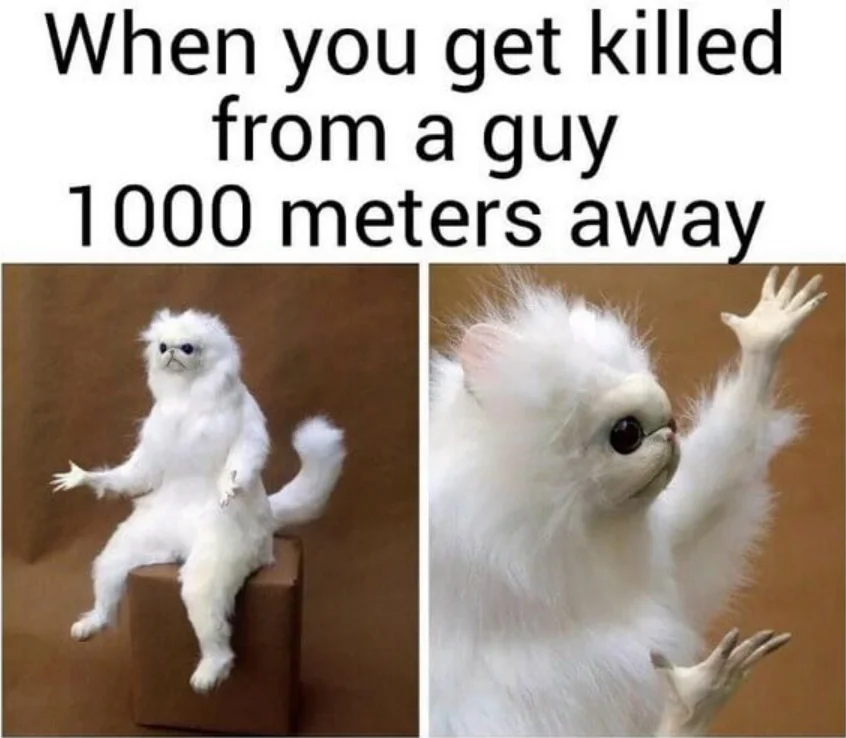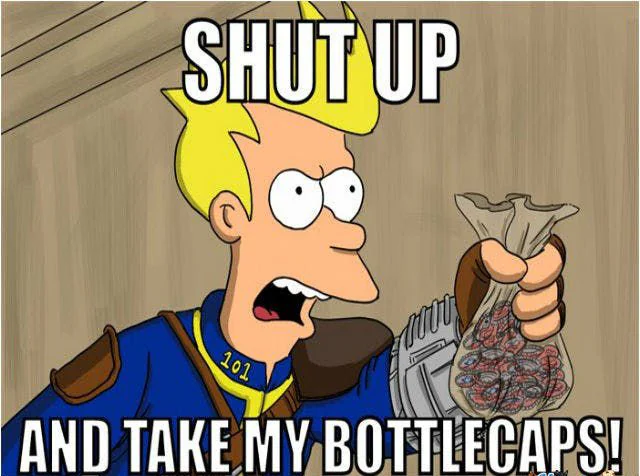
- Patch notes give communities a shared list of changes to debate and reinterpret.
- Recurring complaints about favorite characters, weapons and unresolved bugs become long-running jokes.
- The funniest posts connect a specific update to a familiar player experience.
Every update creates a fresh cast of winners and losers
Balance adjustments change how effective a character, weapon or strategy feels. Some players welcome the update because it addresses a frustrating problem. Others have spent months practicing the affected technique and immediately begin grieving. A damage reduction of a few percentage points can inspire screenshots, dramatic declarations and the sort of farewell tribute usually reserved for a retiring sports legend.
A patch note becomes meme material because readers already care about the thing being changed. They know how it works, they remember matches affected by it and they can imagine what losing it means. The humor often exaggerates a real adjustment. A weapon becomes 'completely unusable' while remaining perfectly capable of winning matches. The comments turn into a support group for people who dislike arithmetic.
Sometimes the opposite happens: an overlooked ability receives a buff and players announce that its dedicated fans have finally been recognized by history. That excitement can be sincere, ironic or a combination that changes every five replies. Fortnite humor across seasons shows how recurring changes keep the jokes fresh even when the people making them behave exactly as before.
The wording can be funnier than the change
Patch notes have to condense complicated technical adjustments into readable sentences. That creates some wonderfully dry writing. A line explaining that an enemy will 'no longer occasionally fall through the floor' raises an obvious question about what happened to the players who saw it. The team is trying to document a fix. The community wants to know why the floor was negotiating with gravity.
Oddly specific bug descriptions also invite speculation. If a patch fixes an interaction involving a vehicle, a boss and an inventory menu, readers can picture the sequence of unfortunate decisions that revealed it. The imagined bug report becomes funnier than the change. Somebody had to discover the problem, reproduce it and explain it to another human being during working hours.
The details matter. Screenshots of real patch text are stronger than fabricated quotations passed around as official notes. When reporting an update, link to the developer's published version. Riot's League of Legends patch schedule is an example of how ongoing release cycles give communities a repeatable moment to anticipate. Players may disagree about every change, but at least they agree on where to complain.
An old bug becomes a community mascot
When a recognizable problem survives several updates, it acquires a reputation. Players start searching each new changelog for the familiar issue. If the fix appears, they celebrate with disbelief. If it doesn't, somebody posts the same joke they've posted since the previous season. Repetition turns the complaint into a ritual, complete with its own regular audience.
Sometimes a bug is genuinely difficult to reproduce or solve. Players rarely see that behind-the-scenes work, so the running joke can flatten the complexity into 'developers forgot again.' The format is easy to share, although the explanation is seldom that simple. Technical problems do not become easier just because the comment section has developed an excellent punchline.
The lasting joke often concerns the strange things that bugs make characters do. A broken animation, flying object or stubborn NPC can be memorable long after a fix arrives. Our guide to legendary gaming bugs explores how recordings preserve those moments even when the original software no longer behaves that way.
Patch day gives everyone the same homework
A fresh update creates shared uncertainty. People test familiar tactics, discover unfamiliar interactions and pass along clips of unusual outcomes. A single change can prompt serious analysis from competitive players and theatrical despair from people who used the affected item once. Both are reacting to the same line of text.
Creators and streamers speed up the process. Someone demonstrates a changed mechanic, viewers clip the result and chat invents a nickname for it. Discord servers turn the clip into an emoji, while other players remix it with their favorite reactions. Within hours, a minor adjustment has developed an emotional support community.
The jokes can also get ahead of the evidence. Early impressions are useful, but an isolated match rarely establishes whether a balance change is successful. A spectacular clip can exaggerate an item's strength or weakness. It's more interesting to show the funny interaction and explain its limits than declare the entire competitive game solved before lunch.
Players remember the changes that affected their routines
Games teach habits. You approach an area a particular way, rely on a familiar weapon or expect an enemy to behave predictably. Patch notes interfere with those habits. The first time an old tactic stops working, a player can feel personally betrayed by a software update that has never met them.
That's why before-and-after jokes are so reliable. A caption shows the confidence of someone using yesterday's technique, then the disappointment of discovering that today's rules have changed. The setup is specific, the reaction familiar and the timing unusually cruel. The joke is strongest when it explains the changed mechanic instead of pretending every adjustment is catastrophic.
Nostalgia adds another layer. A few updates later, the same players may fondly remember equipment they once complained about. The old patch notes become historical documents in a dispute nobody is ever going to settle. Every group has a favorite version of the game, and very few groups agree on which version that was.
Sources and further reading
Background references for the history and examples discussed in this article.
- League of Legends, 2026 patch schedule Official documentation of Riot's patch cadence.