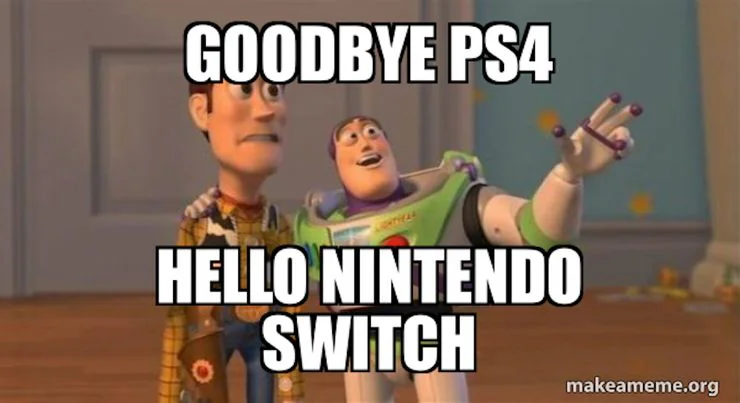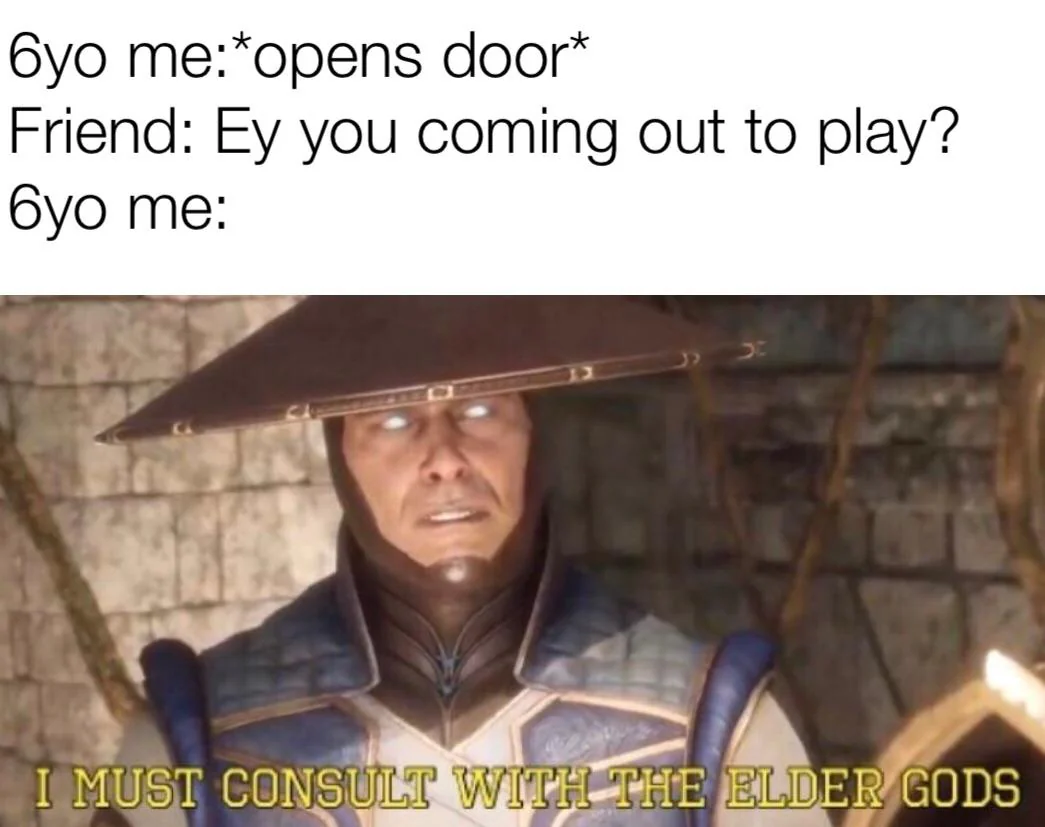
- Memorable meme templates have a simple visual structure that supports many new situations.
- Familiarity helps a picture spread even after viewers forget its original setting.
- Knowing the original artist and scene adds context and helps preserve attribution.
The format matters more than the famous face
A flexible meme template communicates a relationship or emotion before anybody reads the labels. One person rejects an option and approves another. A character looks calm while a situation becomes disastrous. Somebody is distracted by a tempting alternative. These visual structures map easily onto arguments about food, work, gaming and ordinary human choices.
Templates last when people can recognize the shape of the joke quickly. A complicated scene that requires detailed background knowledge has fewer opportunities for reuse. A simple visual contrast can move between subjects without changing its underlying rhythm. The audience knows where the setup belongs and where the punchline is likely to appear.
That predictability can be helpful rather than dull. A familiar template reduces the work required to understand the format, leaving the caption to supply the new observation. It becomes a kind of reusable stage. The original actors may be decades old, but every week somebody casts them in a new production about forgetting to charge a phone.
The burning-room dog refuses to retire
The familiar 'This Is Fine' image comes from K.C. Green's 2013 Gunshow comic. The widely shared panels show a dog calmly insisting everything is okay while flames surround him. Know Your Meme's history traces how the scene spread into a reaction to denial or resignation amid worsening circumstances.
The joke survives because the mismatch is instantly legible. The room is clearly in trouble. The character behaves as if nothing needs attention. New captions only have to identify another situation where someone continues behaving calmly despite obvious evidence of disaster. It can describe a failing plan, an overwhelming schedule or a software update that has somehow introduced three new problems.
Many viewers know the two-panel version without having seen the longer original comic. That's common in meme culture: the most reusable fragment acquires a life of its own. It also creates an opportunity to recover context. The broader comic adds details to the scene, while crediting Green recognizes the artist behind a picture that the internet has worked exceptionally hard.
Distracted Boyfriend offers a reusable argument
The 'Distracted Boyfriend' format uses a stock photograph: a man looks toward another woman while his partner reacts with obvious disapproval. Online labels turn the three people into competing priorities, choices or distractions. Know Your Meme's entry identifies photographer Antonio Guillem and traces the image's transformation into a labeled format.
That three-person arrangement makes the picture useful in many situations. A student abandons revision for a new hobby. A team ignores the existing project in favor of an exciting idea. A gamer leaves a sensible objective to chase a shiny collectible. The joke is understandable because viewers can follow the relationship between the labels without learning who originally posed for the photograph.
Repetition also gives the format a second level of humor. People can joke about using the distracted boyfriend template while being distracted from inventing something new. Self-reference keeps a format alive, even when audiences are tired of its conventional use. The image becomes a joke about the decision to keep making the joke.
Drake's gestures outgrow a music video
Another durable format uses two images of Drake reacting differently. The familiar version rejects one option and enthusiastically approves another. The stills came from the 2015 music video for 'Hotline Bling,' and Know Your Meme's Drakeposting history documents the format's spread through internet communities.
The mechanics are beautifully clear. A viewer doesn't need to know the song or video to follow a two-choice comparison. The top panel sets up the rejected option. The bottom presents the preferred alternative. People use it for serious preferences, silly habits and intentionally absurd comparisons. A person might reject a perfectly good chair and approve sitting on the floor beside their dog. The format makes even that decision look carefully considered.
Those images show how far a template can travel from its original performance. The gestures become abstract signals rather than moments from a particular music video. Familiarity keeps the format recognizable, while new labels supply the humor. The artist's original work remains the source, even when viewers have used the template for years without hearing a note of the song.
Why templates survive changes in online platforms
Images can move between forums, social feeds, messaging apps and group chats with little effort. A format with recognizable framing survives those moves better than one that depends on a particular interface. A two-panel image remains understandable when cropped into a feed. A simple reaction still reads in a small chat preview.
Communities also keep old formats in circulation through new edits. A template might appear dated for a while, then return because somebody finds an unexpectedly precise use for it. The resurgence can be sincere, nostalgic or deliberately ironic. A tired image becomes funny again when the new caption acknowledges its familiarity or uses it in a way nobody expected.
Other formats become references to a period of internet culture. The history of gaming memes traces a similar journey: recognizable moments change platforms and gather new uses. The original post is only one part of the story. Each community that remixes it adds another layer of interpretation.
Outliving the source can also erase its creator
When a picture circulates without context, viewers may forget who drew, photographed or performed the original material. The joke can remain widely recognized while the source becomes difficult to locate. That creates a practical responsibility for anyone publishing explainers or collections: identify the creator where possible and distinguish the original work from later edits.
Attribution matters, but it does not automatically grant permission to reproduce an image. Rights depend on the original material, the intended use and applicable rules. A publisher should check the relevant permissions or exceptions before hosting someone else's artwork or photograph. Linking to a source page can provide context without rehosting the material.
Accuracy matters too. A famous screenshot may be mislabeled, recolored or combined with elements from later versions. Meme histories should avoid claiming that the most commonly shared image was necessarily the first. When the origin is documented, cite it. When it isn't, explain the uncertainty instead of filling the gaps with an impressive story about a mysterious forum user.
The next caption is why the picture stays alive
An old template remains useful because people continue to experience situations that fit its structure. They become distracted, ignore warning signs and make preferences that look ludicrous once illustrated. The image helps them express those experiences quickly, and each fresh caption shows why the format still works.
There's a sweet spot between familiarity and surprise. The reader recognizes the visual setup immediately, then notices a specific observation they haven't seen before. The template handles the scaffolding, and the caption earns the laugh. Reposting the exact same joke adds little, although certain group chats have clearly made a permanent commitment to doing precisely that.
Some images eventually become so familiar that their original source feels like trivia. Learning where they came from can make the joke richer, because it restores the artist and scene behind the recurring picture. The internet may keep hiring an old reaction image, but a good explanation remembers where it worked before.
Sources and further reading
Background references for the history and examples discussed in this article.
- Know Your Meme, This Is Fine Origin of K.C. Green's burning-room comic.
- Know Your Meme, Distracted Boyfriend Photographer attribution and the stock photo's later meme use.
- Know Your Meme, Drakeposting Origin and circulation of the two-panel reaction format.