- Memes provide ready-made visual reactions to sudden or surprising events.
- Fast joke-making can create a sense of community while factual details are still emerging.
- Context and sensitivity matter, particularly when news involves real people facing harm.
A headline supplies the setup everyone recognizes
Breaking news places many people in front of the same surprising information. That shared attention makes it easier to create jokes because the audience already knows the subject. A reaction image doesn't need to explain the entire event. It only needs to capture the feeling of watching the headline arrive during an otherwise ordinary afternoon.
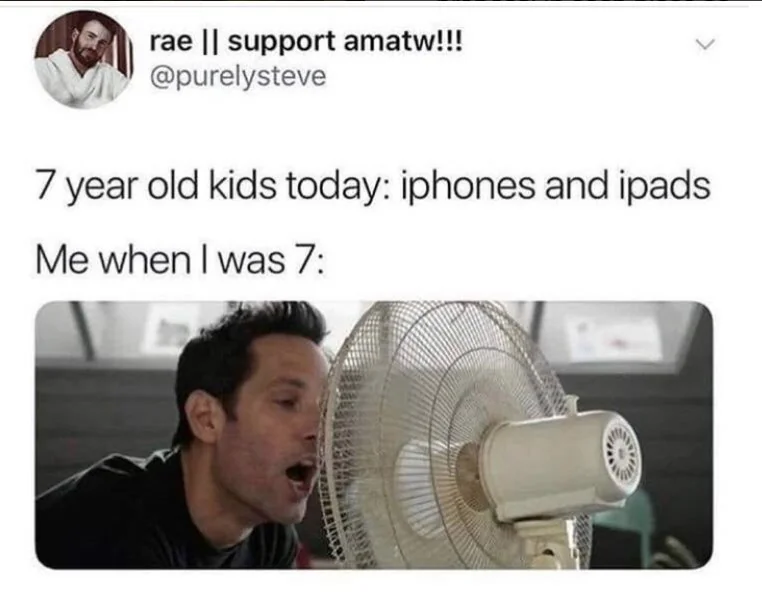
Familiar meme templates work especially well in this setting. A shocked character communicates surprise, a confused face expresses uncertainty and a picture of somebody overwhelmed by paperwork can represent the flood of updates. The viewer recognizes the reaction immediately. The format has already been rehearsed through years of unrelated conversations.
That efficiency can also produce lazy jokes. When a headline gets pasted into a stale template without a particular observation, the result may be recognizable but forgettable. The funniest early responses usually notice something specific about the event's presentation, public reaction or unexpectedly awkward detail. Otherwise the audience has simply received a screenshot accompanied by another screenshot.
The reaction often arrives before the explanation
News develops over time. Initial reports may contain only basic details, while interviews, documents and corrections appear later. Social platforms make the earliest reactions visible before the facts have been checked in depth. That creates a gap between how quickly people feel something and how quickly they can responsibly explain what happened.
Humor fills that gap because it can express uncertainty without a long analysis. A character looking baffled may communicate 'what am I reading?' without making a claim about causes or blame. But jokes that confidently attribute a motive, quote or outcome can spread an unsupported assertion before the evidence arrives.
The House of Commons Library's verification guide recommends checking who posted visual material and whether it matches the claimed event. Those questions are especially useful during breaking news. An old photograph can become a dramatic new headline through nothing more than an enthusiastic caption and an incorrect date.
Group chats turn headlines into collective experiences
News jokes often emerge from the conversation around an event. Somebody shares an article, another person responds with disbelief and a third posts a familiar image that captures the entire group's reaction. Members build on each other's captions, creating a small chain of jokes that belongs to their particular audience.
Inside jokes intensify the effect. A community may already have a reaction image reserved for astonishing announcements. When a major story breaks, that image reappears immediately. New members can understand the general emotion, while longtime participants appreciate the additional history. The original character is doing an impressive amount of volunteer work.
These conversations can also make uncertainty visible. A group might joke about how little information is available or how contradictory early headlines appear. That's different from asserting a false explanation as fact. Our article on community humor explores how shared language shapes those responses.
Familiar formats encourage endless remixes
Once one joke succeeds, people produce variations. A political photograph becomes a cutout, a dramatic quote becomes a two-panel comparison and a recognizable screenshot gets new labels for different audiences. Each remix can travel into another community with its own interests. A sports forum might interpret the story differently from a gaming server or a political discussion group.
That variation makes internet comedy feel spontaneous, even when the visual template is years old. A fresh caption connects familiar imagery to the new event. The contrast between an old reaction and a surprising headline can be funny without inventing details about the underlying news.
Reposting also strips context. A satirical edit may lose its disclaimer, and a fictional quote can begin circulating as authentic. Our guide to checking viral screenshots explains how to trace the original material. A joke doesn't become documentary evidence just because somebody uploaded it using a serious-looking font.
Early joke formats sometimes become premature explanations
A meme can make an uncertain story feel settled. When a confusing headline appears, people reach for recognizable villains, familiar plot twists and simple cause-and-effect narratives. A reaction image may be harmless, but an added caption can imply that investigators already know who was responsible or what will happen next. Readers should check whether that certainty comes from reporting or from the creator's imagination.
News stories are particularly vulnerable to recycled images. A dramatic photograph from an older incident may be reshared because it looks appropriate for the current headline. Its visual impact can outweigh the inconvenient fact that it was taken in another year. The same issue arises with clipped video, where a short excerpt may conceal the question, timing or sequence needed to understand what happened.
The fix can be simple: describe a joke as a joke, identify the image's original context when known and avoid turning an unverified possibility into a confidently worded headline. Creative humor can survive a note about uncertainty. Claims about real events deserve evidence, even when an edit is receiving the sort of engagement that makes a social media manager weep with gratitude.
Humor can offer relief, but timing matters
People sometimes use jokes to manage uncertainty, frustration or the strange feeling of experiencing the same news as everyone else. Light satire about bureaucracy, awkward press conferences or an oddly phrased announcement can make a difficult story easier to discuss. A shared laugh can signal that others noticed the same absurd detail.
That doesn't make every event suitable for immediate comedy. When news involves injuries, deaths or vulnerable people, a punchline directed at those affected can be cruel. Context matters, as does the target of the joke. Criticizing an institution's response differs from mocking people experiencing harm.
A useful question is who bears the cost of the joke. Does the image comment on a strange communication failure, or does it turn someone's suffering into entertainment? The same community that enjoys sharp satire may also appreciate restraint. Comedy doesn't become less creative when it remembers that real people exist outside the frame.
A news meme may become history within hours
Updates can change the meaning of early jokes. A widely shared explanation may turn out to be wrong, an apparent quotation may be incomplete or a confusing detail may receive a simple clarification. The original meme remains visible even after its assumptions have become outdated. Reposts rarely include a convenient 'this joke's factual basis has expired' label.
That's why dates and sources matter. If a joke relies on a claim, check whether credible reporting supports that claim before sharing it as an observation about what happened. If later information changes the story, update or correct the description. A screenshot of your old post may survive, but at least the original account can make a good-faith effort.
Breaking-news humor moves quickly because audiences share attention, familiar formats and strong reactions. It remains worthwhile when the joke is specific and the facts are treated with care. The internet will continue producing memes before the first press conference ends. Readers can enjoy the joke while keeping a separate tab open for actual reporting.
Sources and further reading
Background references for the history and examples discussed in this article.
- House of Commons Library, How to Verify Images and Videos Guidance on source, time and contextual checks during emerging stories.
- Full Fact, How to Spot Misleading Images Online Practical methods for checking reused images.