- Crossovers create comedy by placing familiar personalities in unfamiliar situations.
- Fans enjoy impossible debates about who would win, behave worst or become friends.
- Official collaborations and fan-created crossovers invite different expectations and deserve clear attribution.
A familiar character looks different in the wrong world
Characters are designed for the tone and rules of their stories. A solemn space marine belongs in a universe where nearly everything is dangerous. A cheerful cartoon character belongs somewhere that may allow an anvil to fall without permanent consequences. Put them beside each other, and each person's familiar behavior becomes strange. The joke comes from the contrast between expectations that the audience already understands.
Imagine a legendary warrior attending a customer-service training session. The warrior's epic speeches are suddenly a poor fit for a conversation about returning a faulty toaster. Or place a cheerful mascot in a grim dungeon, smiling while everybody else prepares for disaster. The characters haven't changed. Their surroundings have made their ordinary habits look absurd.
A crossover works best when viewers can identify at least one side quickly. Recognizing both creates additional humor, especially when the creator understands the personalities involved. An image full of obscure characters may be delightful to specialists but confusing elsewhere. The goal is to give the audience a point of entry before the joke turns into a convention panel.
The impossible matchup is its own tradition
Fans love debating which character would win a fight, complete a challenge or survive in another universe. These comparisons invite arguments about powers, rules and improbable loopholes. A character built for slapstick comedy can resist consequences that would defeat a serious action hero. Explaining how the contest should work quickly becomes as entertaining as the contest itself.
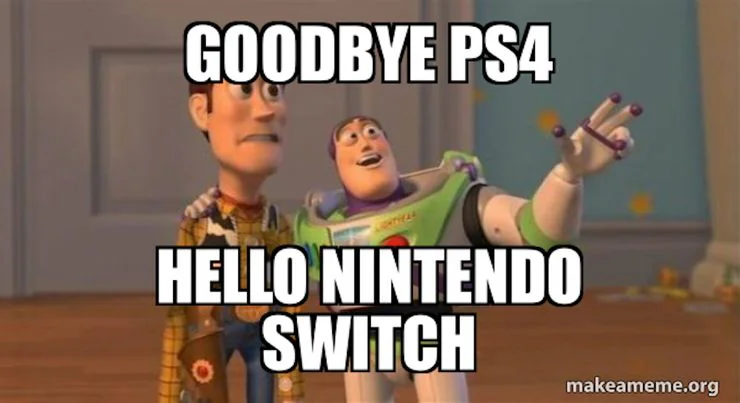
Games have provided an official version of the fantasy for years, including Super Smash Bros. Ultimate. Super Smash Bros. memes draw humor from characters with different histories meeting under a shared set of fighting rules. The crossover roster makes unlikely combinations feel ordinary, even when the characters have no narrative reason to be standing on the same platform. Everybody accepts the premise and begins arguing about balance.
Fan-made comparisons go further because they don't need to respect a game's roster or licensing agreements. Someone can imagine a wizard trying to defeat a cartoon mouse with paperwork, or a superhero losing to a household appliance. These jokes are most enjoyable when the creator acknowledges the absurd rules they invented. Declaring a definitive winner with complete seriousness is usually a sign that the discussion has become a separate hobby.
Visual mismatch can carry the entire punchline
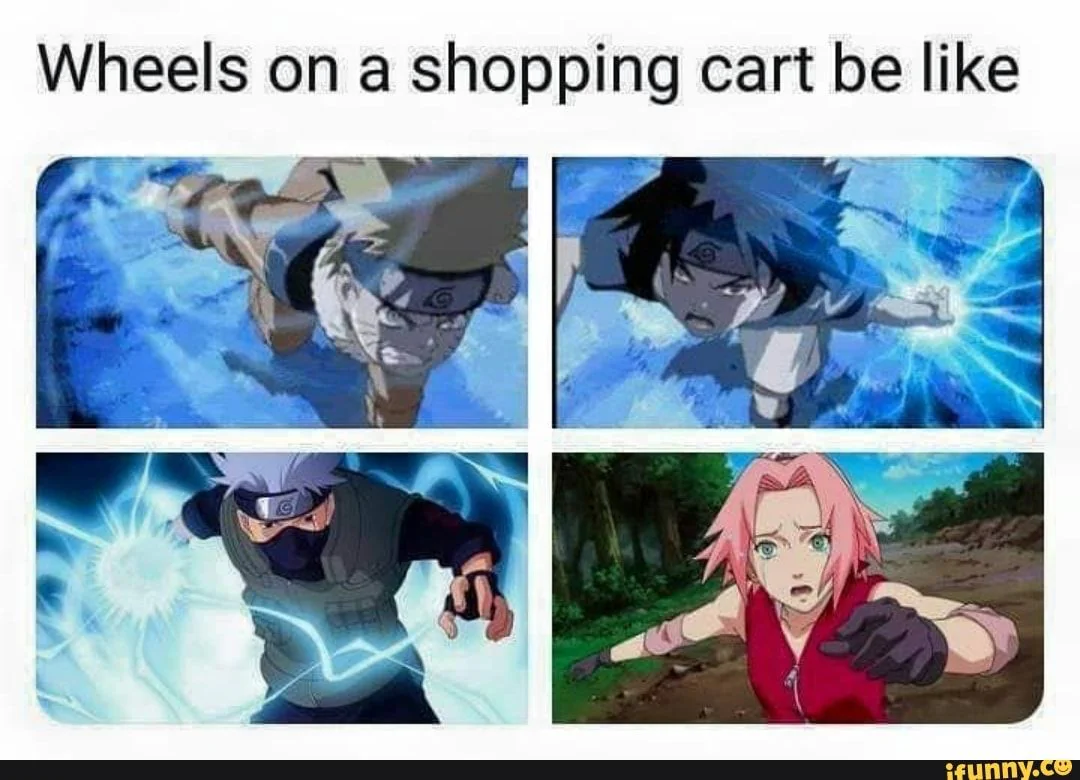
An image can be funny before anyone reads the caption. Place a highly detailed anime character next to a deliberately simple cartoon and the differences in rendering, movement and emotional intensity become visible. A dramatic stare feels even more intense beside a character whose face consists of three lines and a surprising amount of confidence.
Editing style shapes the result. A polished crossover illustration may imagine the characters naturally sharing a scene. A deliberately rough cutout can emphasize that two incompatible worlds have collided. The second approach works when the amateur quality is part of the joke. A badly scaled character hovering behind somebody else's dialogue box communicates that nobody involved received proper permission from the laws of perspective.
Captions give that visual mismatch direction. You can turn the scene into a comparison of personalities, a workplace situation or a familiar social dilemma. Keep the labels clear. When each character has five lines of text explaining their role, the reader is effectively reviewing a tournament bracket in disguise.
Official collaborations give fans real material to remix
Sometimes publishers create the crossover themselves through games, cosmetics or promotional events. A character associated with one genre can appear in an entirely different setting with new animations and interactions. Those encounters create clips that look like fan edits while coming directly from the game. A dramatic confrontation may end with two famous characters performing an oddly cheerful dance.
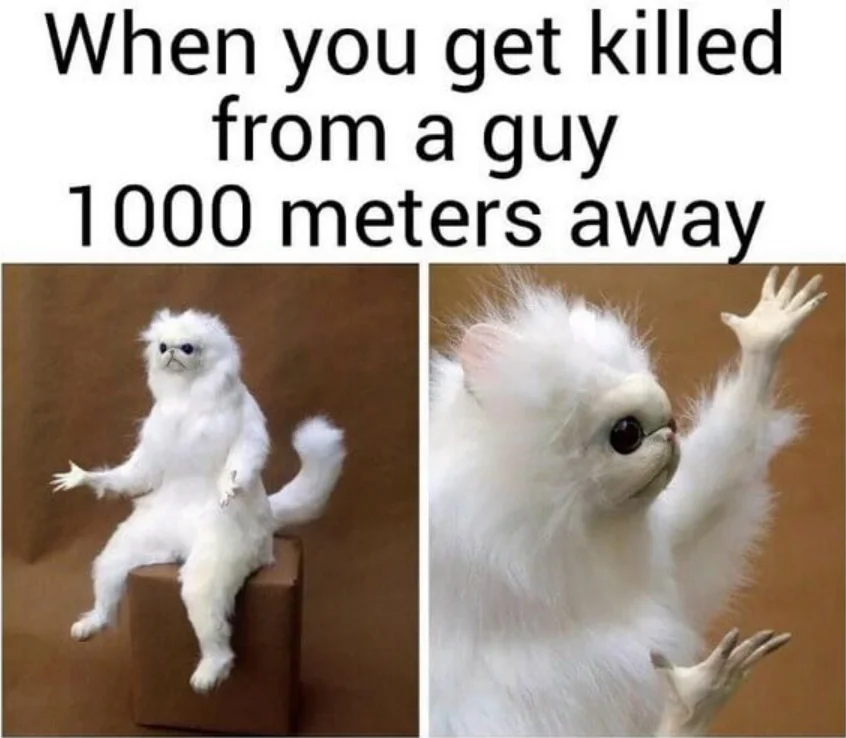
Players use the unlikely combination as a starting point. A collaboration may be exciting because fans like both properties, or funny because the characters seem so fundamentally mismatched. Fortnite memes regularly benefit from the game's ability to bring recognizable looks and unpredictable player behavior into one match. The joke often belongs to what the players do with the encounter after the official reveal.
Official and fan-made crossovers should be distinguished. A screenshot from a licensed collaboration documents something the game actually includes. A fan illustration imagines a meeting that may never occur. Both can be entertaining. Crediting the original artist and checking reuse rights matters, particularly when an edited image starts circulating without its creator's name.
The group chat keeps inventing impossible reunions
Inside fan communities, the crossover becomes a shared thought experiment. Members suggest ridiculous pairings, argue about personality clashes and add new characters to familiar joke formats. The setup can be as small as 'these two would be terrible roommates.' The community supplies an entire imaginary sitcom, usually before anybody has finished discussing the original post.
Recurring crossover memes can become independent of the properties that inspired them. A particular pairing gains its own fan art, captions and conventions. Eventually the joke may be recognizable as a community reference even to people who have never seen the original exchange. This is how fandom inside jokes sometimes find a much larger audience.
Good crossover humor rewards familiarity while keeping the central idea readable. Start with two characters, identify something specific that would be strange about their meeting and let that contradiction develop. The best results feel inevitable once you see them. Of course the solemn space marine would be terrible at handling a customer complaint. He'd probably solve it by declaring the toaster an enemy of civilization.
Sources and further reading
Background references for the history and examples discussed in this article.
- Super Smash Bros. Ultimate official site Official example of recognizable game characters sharing one crossover setting.